









Top Ten Quick Tips for Fussy Toddlers
If you have a toddler, you have probably experienced the battle of the plate.
One day, strawberries are the favourite food. The next day, they will not be touched. One week, vegetables disappear without complaint. The next, anything unfamiliar is immediately rejected.
Toddler eating can be unpredictable, frustrating and stressful. Although no single strategy works for every child, a few practical changes can help make mealtimes feel calmer.
Here are ten simple ideas to try.
1. Make food inviting—not overwhelming
Toddlers learn through their senses. Colour, shape, smell and texture can all influence how they respond to food.
You could try:
- Cutting sandwiches or soft fruit into simple shapes
- Arranging a few colourful foods on a small plate
- Offering build-your-own wraps or mini pizzas
- Serving smoothie ingredients in separate bowls before blending
- Using a divided plate if your toddler dislikes foods touching
Presentation can encourage curiosity, but you do not need to create elaborate food art at every meal. A calm, manageable plate is often more useful than an impressive one.
Fun ways to present toddler meals → Fussy Eaters Meal Preparation: 5 Fun Ways
2. Let your toddler help
Helping with food preparation can make ingredients feel more familiar, although it does not guarantee that your toddler will eat them.
Simple toddler-friendly jobs include:
- Washing fruit or vegetables
- Stirring yoghurt
- Mashing banana
- Sprinkling grated cheese
- Placing food onto a plate
- Choosing between two vegetables at the shop
- Adding ingredients to a smoothie before an adult operates the blender
Try to treat involvement as food exploration rather than a contract to eat the finished result.
3. Offer two structured choices
Toddlers are developing independence, and small choices can help them feel involved without requiring you to prepare an unlimited menu.
Instead of asking:
“What do you want for lunch?”
Try:
“Would you like cucumber or carrot with lunch?”
Or:
“Would you like your banana sliced or mashed?”
Offer two options you are comfortable serving. Too many choices can be overwhelming, while an open-ended question can easily turn into a request for something unavailable.
How to offer toddler food choices → Toddler Meal Options: How Giving Options Reduces Picky Eating
4. Create a predictable eating rhythm
Broadly predictable meal and snack times can help create a clear rhythm around food and reduce continuous grazing.
A typical routine might include:
- Breakfast
- Morning snack
- Lunch
- Afternoon snack
- Dinner
The timing does not need to be exact. The aim is to provide regular eating opportunities rather than offering snacks throughout the entire day.
If your toddler eats very little at one meal, try not to panic. Appetite can vary, and the next planned meal or snack provides another opportunity.
5. Start with small portions
Toddlers often need much smaller portions than adults expect.
A large plate can feel overwhelming before your child has even touched the food. Begin with a small amount and offer more if they show they are still hungry.
For a less familiar food, the first portion might be:
- One small piece
- A teaspoon
- A thin spread
- A few grains or crumbs
- A small amount served beside something familiar
The first goal does not always need to be eating. Allowing the food to remain on the plate can be a useful first step.
6. Lower the pressure
Repeated prompting, bargaining or forcing can make meals more stressful.
A useful framework is:
Parents decide:
- What food is offered
- When it is offered
- Where eating takes place
Toddlers decide:
- Whether they eat
- How much they eat from what is available
This does not remove parental structure. It separates providing food from controlling every bite.
You might say:
“You don’t have to eat it. It can stay on your plate.”
Responsive-feeding guidance supports patiently encouraging young children to eat without forcing them.
Reducing pressure and mealtime battles → Feeding Your Fussy Eater Without the Fight
7. Build from foods your toddler already accepts
Familiar foods can provide a useful starting point.
You might:
- Add yoghurt beside accepted fruit
- Pair toast with egg, cheese or avocado
- Stir lentils through a familiar sauce
- Add milk or yoghurt to porridge
- Serve crackers with an accepted dip
- Blend suitable ingredients into a familiar smoothie
Including ingredients in familiar foods can contribute variety, but try to continue offering foods in recognisable forms too.
Blending spinach into a smoothie might provide another way to serve it, but it does not automatically teach a toddler to accept a spinach leaf. Both nutrition and food familiarity can matter.
[INTERNAL LINK: making accepted foods more nutrient-rich → Nutrition for Fussy Toddlers]
8. Lead by example—without performing
Toddlers learn by observing familiar adults.
Where possible, sit together and let your toddler see you eating a range of foods in an ordinary, relaxed way.
You do not need to exaggerate:
“This broccoli is the most delicious thing ever!”
Instead, use neutral language:
- “This one is crunchy.”
- “The carrot is sweet.”
- “I’m putting some peas beside my rice.”
Seeing other people eat a food can help make it feel familiar, although it will not guarantee immediate acceptance.
9. Expect preferences to change
Toddlers may ask for the same food repeatedly and then suddenly reject it.
Many changing preferences are part of normal development, but continue to look at the broader pattern rather than assuming every restriction is temporary.
Seek advice if:
- Your toddler eats a very small range of foods
- Their accepted-food list continues to shrink
- They avoid entire food groups
- Growth or energy causes concern
- Eating creates significant distress
- They have difficulty chewing or swallowing
The Royal Children’s Hospital distinguishes ordinary changing preferences from more problematic feeding behaviours that affect nutrition, development or family life.
10. Play the long game
The aim is not to create a perfect meal or get every food accepted today.
Food learning takes time.
Repeated exposure can increase acceptance of some foods, but children vary, and acceptance should not be expected after a fixed number of attempts.
Keep offering small, low-pressure opportunities.
Progress might look like:
- Allowing a food on the table
- Keeping it on the plate
- Touching it
- Smelling it
- Licking it
- Taking a small taste
- Eating a little more on another occasion
The goal is increasing familiarity and confidence over time—not winning one meal.
What if your main concern is nutrition?
The tips above can help reduce pressure and support food learning. They cannot tell you whether your toddler needs additional nutritional support.
For a balanced explanation of normal meals, enriched familiar foods, homemade smoothies, fortified foods, vitamins, toddler nutrition products and professional support, read:
Complete guide to nutrition for fussy toddlers → Nutrition for Fussy Toddlers: A Practical Guide to Food, Supplements and Support
Some families may also choose an age-specific nutritional top-up for less predictable days.
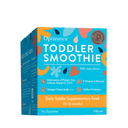
Optivance Toddler Smoothie is made for children aged 1–3 and provides protein, fibre, DHA omega-3, probiotics, and 16 vitamins and minerals plus lutein. It is designed to supplement a normal diet—not replace meals, food exposure or individual professional advice.
Explore Optivance Toddler Smoothie
Final thoughts
Fussy eating can feel personal, especially after you have planned, shopped and prepared a meal that your toddler immediately refuses.
But one rejected plate does not mean you have failed.
Keep portions manageable. Include something familiar. Offer structure without forcing. Let touching, smelling and exploring count.
Some days will feel easier than others. The bigger goal is a calmer environment where your toddler can gradually learn about food and you feel less pressure to make every meal perfect.
Frequently asked questions
Is fussy eating normal in toddlers?
Changing preferences, food refusal and caution around unfamiliar tastes or textures are common during the toddler years. Seek advice when the range is extremely restricted, continues to shrink or affects growth, feeding safety or family life.
Should I make another meal when my toddler refuses dinner?
You do not need to prepare a completely different meal after every refusal. Include something familiar in the original meal where practical, end the meal calmly and provide the next planned meal or snack at its usual time.
Should I force my toddler to try one bite?
Avoid forcing. Offer the food in an age-appropriate form and encourage calmly, but let your toddler decide whether to taste it.
How many times should I offer a new food?
There is no guaranteed number. Some guidance notes that familiarity can take many presentations, and systematic reviews support repeated exposure for some foods, but children vary.
When should I seek help?
Seek individual advice if you are concerned about growth, nutrition, distress, a very limited or shrinking food range, persistent vomiting or difficulty chewing and swallowing.


