






Toddler Portion Sizes: Why Starting Small Can Make Mealtimes Easier
You prepare a balanced meal, place it in front of your toddler and watch them immediately push the plate away.
It is easy to assume they dislike the food. But sometimes the amount on the plate simply looks like too much.
Toddlers often eat much smaller amounts than adults expect. Their appetites can also change from meal to meal and day to day. One evening, they might ask for another helping. The next, they may eat only a few bites of the same meal.
Starting with a manageable amount and offering more when your toddler is still hungry can make the plate feel easier to approach. It also gives your child room to respond to their appetite without being expected to finish a predetermined amount.
The practical approach: Begin with a small portion, include something familiar and make it easy for your toddler to ask for more.
For a broader look at food-first nutrition, smoothies, supplements and professional support, read our Nutrition for Fussy Toddlers: A Practical Guide to Food, Supplements and Support
What is the difference between a serve and a portion?
The words serve and portion are often used as though they mean the same thing, but they have different purposes.
A standard serve is a defined amount used in dietary guidance to describe recommended intake from a food group.
A portion is the amount placed on the plate or eaten at one meal or snack. It can be smaller or larger than a standard serve depending on the food, the eating occasion and the child’s appetite.
This distinction matters because a toddler does not need to eat an entire standard serve of every food at one sitting.
Food-group intake can be spread across the day. For example:
- Fruit may be offered at breakfast and again at afternoon tea.
- Grain foods may come from toast, crackers, rice or pasta.
- Dairy foods might be divided between milk, yoghurt and cheese.
- Protein-rich foods may appear in several small meals and snacks.
This article focuses on the amount placed on the plate at one eating occasion.
For guidance on food groups and intake across an entire day, read How Much Should a Toddler Eat in a Day?.
Why does a toddler’s appetite change?
It is normal for toddlers to eat different amounts at different meals.
Appetite may be influenced by:
- How recently they last ate
- Snacks consumed between meals
- Milk or other filling drinks
- Physical activity
- Growth and development
- Tiredness
- Illness or teething
- The familiarity of the meal
- Their individual appetite
A toddler may eat a substantial breakfast and very little lunch. They might eat well for several days and then have a day when very little seems appealing.
It is generally more useful to consider patterns across several meals and days than to judge nutritional intake from one plate.
This does not mean that persistently low intake should be ignored. Growth, energy, food variety, feeding ability and overall wellbeing still matter.
How much food should you put on a toddler’s plate?
There is no single starting amount that will suit every toddler, meal and food.
Instead of following a rigid formula, begin with an amount that looks manageable and offer more when your child remains hungry.
A starting plate might include:
- A few pieces of sandwich or a small piece of toast
- A small spoonful of rice, pasta or another grain food
- A few pieces of soft, age-appropriate vegetable
- A small amount of egg, meat, fish, legumes or tofu
- A little fruit
- A small portion of yoghurt or cheese
These are presentation examples rather than exact serving targets.
Your toddler may eat all of one food, leave another untouched and ask for more of something else. That does not necessarily mean the meal was unsuccessful.
1. Begin with a manageable portion
A large amount of food can make a meal appear difficult before your toddler has even begun.
For a familiar food, start with a modest amount and offer more when your child shows they are still hungry.
For a less familiar food, the initial portion can be especially small:
- One piece
- A small spoonful
- A thin spread
- A small amount in a separate section of the plate
- One unfamiliar item beside familiar foods
The aim of a tiny new-food portion is not necessarily to provide a significant amount of nutrition at that meal. It is to make the food easier to see and explore without creating an expectation that a large serving must be eaten.
You can always add more.
2. Offer more when your toddler remains hungry
Starting small should not mean restricting how much your toddler is allowed to eat.
Watch for signs that they may want more, such as:
- Asking for another helping
- Pointing towards the food
- Reaching for another piece
- Finishing the initial portion and remaining engaged with the meal
- Using their usual words or gestures for more
You might simply ask:
“Would you like some more?”
Offer another manageable helping and repeat when needed.
This approach keeps the first plate visually comfortable while allowing your toddler to eat according to their appetite.
3. Expect appetite to vary
Toddlers will not necessarily eat the same amount every day.
Try not to treat yesterday’s appetite as today’s required target.
A toddler who ate a full bowl of pasta last week might eat only a few pieces today. They may also eat more at one time of day than another.
Rather than asking:
“Why aren’t you eating as much as yesterday?”
Try to observe the current meal without comparison.
The amount your toddler eats is likely to be influenced by the rest of their day—not only by the food in front of them.
4. Avoid expecting an empty plate
A toddler does not need to finish everything served to have eaten adequately.
Pressure to clear the plate can turn eating into a task and make it harder for a child to respond to their own sense of fullness.
Try to avoid phrases such as:
- “You need to finish everything.”
- “There are only two bites left.”
- “You can leave when the plate is empty.”
- “You hardly ate anything.”
- “Finish this before you have anything else.”
A calmer response might be:
“Are you finished, or would you like some more?”
Your toddler may answer with words, gestures, turning away or losing interest in the meal.
For more support with mealtime roles, food refusal and reducing pressure, read Feeding Your Fussy Eater Without the Fight.
5. Use a plate that suits the amount
A child-sized plate or bowl can make a small portion look more appropriate than the same food placed in the centre of a large adult plate.
You do not need specialised dinnerware, but a smaller plate may help with:
- Keeping portions visually manageable
- Making food easier for small hands to reach
- Avoiding the temptation to fill every available space
- Leaving room for an additional helping
- Separating foods for toddlers who dislike mixed meals
Some toddlers prefer foods not to touch. A divided plate may help in this situation, although it is not essential for every child.
The plate itself will not resolve fussy eating. It is simply one practical way to present an appropriate amount.
6. Include something familiar
A manageable toddler plate does not need to contain only unfamiliar foods.
Including at least one food your child usually accepts can make the meal easier to approach, particularly when another item is less familiar.
Examples include:
- Familiar toast beside egg
- Plain pasta with sauce served separately
- Yoghurt beside fruit
- Crackers with a small amount of dip
- An accepted vegetable beside a less familiar one
The familiar food is not a reward for eating something else. It is simply part of the meal.
Keep this section of the plate manageable too. A very large amount of the preferred food can make it harder to notice hunger for the other foods offered, while removing preferred foods entirely may increase stress.
7. Offer variety without crowding the plate
Offering variety does not mean covering the plate with many different foods.
A simple meal might contain:
- One grain or carbohydrate food
- One protein-rich food
- A fruit or vegetable
- One familiar food where needed
Not every meal needs to contain a perfect representation of every food group.
Balance can be built across the day and week. A light breakfast may be followed by a more substantial snack, while a small dinner may come after stronger eating earlier in the day.
Too many foods can also feel distracting. A few appropriate choices are often enough.
8. Keep unfamiliar-food portions especially small
When offering an unfamiliar food, avoid placing a full adult-style serving on the plate.
A very small portion gives your toddler the opportunity to:
- See it
- Allow it to remain on the plate
- Touch it
- Smell it
- Taste it
- Ask for more
Your toddler may not eat the new food at first. Its purpose at that moment may simply be familiarity.
For a detailed guide to this process, read How to Introduce New Foods to a Fussy Toddler: 10 Practical Steps.
For more on texture and mouthfeel, read The Toddler Taster and Texture Explorer.
9. Consider grazing and filling drinks
A toddler who has eaten small amounts continuously throughout the day may arrive at the next meal without much appetite.
Broadly predictable meals and snacks can create a clearer rhythm around food. The schedule does not need to be rigid, but regular eating opportunities may help distinguish meals from continuous grazing.
Milk and other filling drinks may also affect appetite when offered in large amounts or immediately before a meal.
This does not mean milk should be unnecessarily restricted. Its amount and timing need to be considered alongside the child’s overall diet.
Seek individual guidance if your toddler relies heavily on drinks and regularly eats very little solid food.
10. Look at the broader pattern
One untouched meal can feel worrying, particularly when your toddler has eaten very little that day.
Try to step back and consider:
- What they ate at other meals and snacks
- Their intake across several days
- Whether foods from different groups are being accepted
- Their usual energy
- Their growth pattern
- Whether their food range is stable or shrinking
- Whether there are chewing, swallowing or distress concerns
Avoid comparing your toddler’s plate with another child’s meal. Children differ in appetite, growth, activity and food preferences.
An individual meal is one part of a much larger pattern.
Avoid treating portion shortcuts as exact rules
Parents often encounter rules such as:
- One tablespoon per year of age
- A stomach the size of a fist
- A palm-sized amount of protein
- A fixed number of bites
- An exact number of pieces of each food
These may provide a rough visual idea, but they should not be treated as universal requirements.
A more flexible approach is:
- Start with a manageable amount.
- Allow your toddler to eat from what is offered.
- Provide more when they remain hungry.
- Avoid requiring them to finish.
- Consider their eating pattern over time.
What should you do when very little is eaten?
Try not to turn the meal into a negotiation.
You might say:
“It looks like you’re finished. We’ll eat again at afternoon tea.”
Then provide the next planned meal or snack at its usual time.
Avoid immediately offering a succession of preferred alternatives every time food is refused. Including something familiar in the original meal can make this approach easier.
Flexibility is still reasonable during illness, travel or disrupted routines. The goal is not rigid enforcement. It is to avoid making everyday refusal the beginning of a lengthy bargaining process.
When should you seek individual advice?
Speak with your GP, child and family health nurse, accredited practising dietitian or another appropriate health professional if your toddler:
- Is losing weight or not growing as expected
- Has unusually low energy
- Eats a very limited or shrinking range of foods
- Avoids entire food groups
- Relies on drinks for most of their nutrition
- Regularly coughs or chokes while eating
- Has difficulty chewing or swallowing
- Experiences persistent vomiting, diarrhoea or other concerning symptoms
- Becomes extremely distressed at meals
- Is causing ongoing concern about nutrition or development
Growth and nutrition concerns should be assessed over time rather than judged from one plate.
You do not need to diagnose the issue yourself before asking for help.
Starting with a small portion can reduce pressure and waste, but consistently eating very little may need closer attention when it occurs alongside poor growth, a shrinking food range, strong distress, or difficulty chewing and swallowing. Recognise when fussy eating may be more than a typical phase → When Is Fussy Eating More Than a Phase?.
When is Fussy Eatwing More than a Phase
What if your concern is overall nutritional intake?
Toddler-sized portions can make a plate feel more manageable, but portion presentation alone cannot show whether a child’s overall diet is meeting their needs.
For a broader explanation of normal food, enriched meals, homemade smoothies, fortified foods, supplements and professional support, read:
Nutrition for Fussy Toddlers: A Practical Guide to Food, Supplements and Support
You may also find this useful:
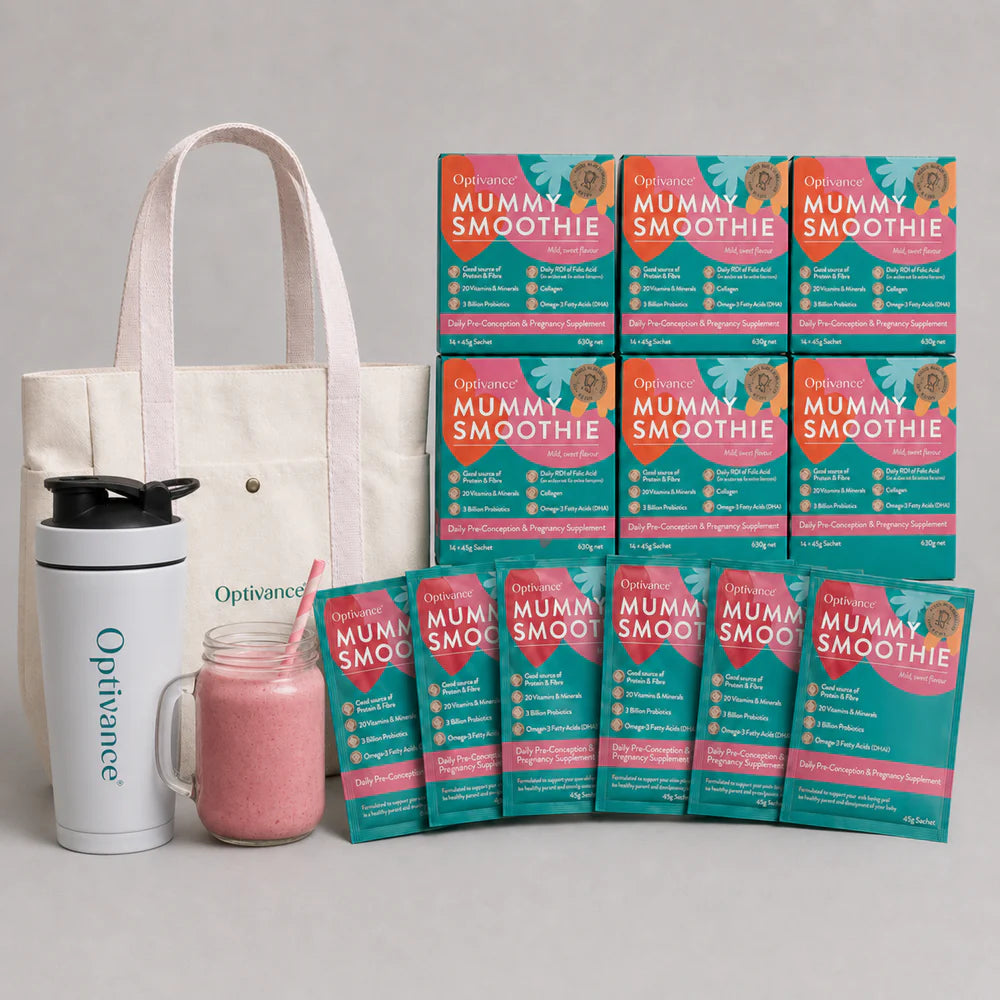
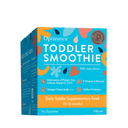
Where Optivance Toddler Smoothie may fit
Some families also choose an age-specific supplementary nutrition option for days when appetite or accepted foods are less predictable.
Optivance Toddler Smoothie is made for children aged 1–3 and is intended to supplement a normal diet—not replace meals, food variety, appetite cues or professional support.
Its role is nutritional rather than behavioural. It cannot determine the correct portion for a family meal or teach a toddler to accept unfamiliar food.
View the Optivance Toddler Smoothie nutritional profile
Contains milk and soy.
A simple toddler-portion checklist
Before serving the next meal, ask:
- Is the initial amount manageable?
- Can I provide more if my toddler remains hungry?
- Is there something familiar available?
- Have I avoided filling every space on the plate?
- Is the food prepared in an age-appropriate form?
- Am I allowing my toddler to stop when they are finished?
- Am I looking at intake across the day rather than judging one meal?
- Is there anything about growth, restriction, distress or swallowing that needs professional advice?
Final thoughts
Toddler portions do not need to be exact.
Your child’s appetite may change from one eating occasion to the next, and the amount they need will not always match what you expected while preparing the meal.
Begin with a manageable portion. Include something familiar. Offer more when your toddler remains hungry, and avoid making an empty plate the measure of success.
The aim is not to predict exactly how much your toddler will eat.
It is to provide appropriate food, create regular opportunities to eat and give your child room to respond to their own appetite.
Frequently asked questions
How big should a toddler portion be?
There is no single portion size that suits every toddler and meal. Start with a small, manageable amount and offer more when your child remains hungry.
What is the difference between a serve and a portion?
A standard serve is a defined amount used in dietary guidance. A portion is the amount placed on the plate or eaten at one occasion. The two do not always need to be the same.
Should toddlers finish everything on their plate?
No. Offer appropriate food and allow your toddler to respond to their hunger and fullness. Avoid forcing them to clear the plate.
Is the one-tablespoon-per-year rule accurate?
It may provide a rough starting point for some foods, but it is not a universal requirement. Appetite, food type and the rest of the day’s intake vary.
Are child-sized plates necessary?
No. They can make smaller portions easier to serve and see, but ordinary dinnerware can also work.
What if my toddler asks for several servings of one food?
You can offer more while keeping the other foods available without pressure. Continue offering variety across future meals and snacks.
What if my toddler barely eats dinner?
Consider what they ate earlier, whether they grazed or consumed filling drinks and whether it is an occasional event or part of a broader pattern. Offer the next planned eating opportunity rather than forcing them to finish.
Should I prepare another meal when my toddler refuses food?
You do not need to prepare a completely different meal after every refusal. Include something familiar where practical, respond calmly and offer food again at the next planned meal or snack.
Can smaller portions help a fussy toddler?
A manageable portion may reduce visual overwhelm and make food easier to approach. It will not resolve every cause of fussy eating, but it can form part of a lower-pressure feeding approach.
When should I worry about how much my toddler eats?
Seek individual advice if growth or energy is concerning, the food range is extremely limited or shrinking, entire food groups are excluded, drinks provide most nutrition, or eating involves distress, choking or swallowing difficulty.


