





You see “omega-3” on a toddler food, a packet of chia seeds and a bottle of fish oil—but are they all providing the same thing?
Not quite.
Some omega-3 fats come mainly from plant foods. Others are found in fish, seafood and algae. All can contribute to a varied diet, but understanding the difference makes it much easier to choose suitable foods and compare toddler products.
The simple answer
The main omega-3 fats parents hear about are:
- ALA, found mainly in plant foods
- DHA, found mainly in fish, seafood and algae
- EPA, found mainly in fish and seafood
Your toddler does not need fish at every meal, and most parents do not need to calculate omega-3 every day. A practical approach is to offer suitable omega-3 foods as part of the broader weekly eating pattern and seek advice before adding a supplement.
Omega-3 is only one part of toddler nutrition. For broader help with food groups, fussy eating and supplementary nutrition, read our Complete guide to nutrition for fussy toddlers → Nutrition for Fussy Toddlers: A Practical Guide to Food, Supplements and Support.
Why do toddlers need omega-3?
Omega-3 fats are part of the fats toddlers need through food.
One type, DHA, is found in cell membranes and is particularly concentrated in nerve tissue and the retina. That makes it an important part of normal nutrition, but it does not mean that eating more DHA will automatically improve a toddler’s intelligence, behaviour or development.
The aim is not to chase the highest possible omega-3 number. It is to include suitable sources within a varied diet.
The two omega-3 groups parents need to understand
1. Plant omega-3: ALA
ALA is found in foods such as:
- Canola oil
- Linseed or flaxseed
- Walnuts
- Soy foods
- Legumes
- Small amounts in leafy vegetables
The body can turn some ALA into DHA and EPA, although only a limited amount is converted. The practical takeaway is simple: plant foods are useful omega-3 sources, while fish and algae provide DHA more directly.
Toddler-friendly ways to include plant omega-3 may include:
- Using canola oil in family cooking
- Adding finely ground linseed to a suitable recipe
- Offering smooth walnut or seed paste where appropriate
- Including tofu, soy foods or legumes in meals
- Adding a small amount of ground chia to an accepted food
Whole nuts and seeds can be choking hazards for toddlers. Choose smooth, ground or otherwise age-appropriate forms and supervise your child while eating.
2. Long-chain omega-3: DHA and EPA
DHA and EPA are found mainly in fish and seafood, particularly oily fish such as:
- Salmon
- Sardines
- Mackerel
- Herring
- Tuna
Algae can also provide DHA and is used in some fortified foods and supplements.
A product containing algal DHA gives your toddler DHA without using fish oil. The finished product may still contain other animal ingredients or allergens, so always check the complete label.
How much omega-3 do toddlers need?
For children aged 1–3, the Australian Nutrient Reference Values list:
| Type of omega-3 | Adequate Intake |
|---|---|
| ALA from plant sources | 0.5 g per day |
| DHA, EPA and DPA combined | 40 mg per day |
These figures are known as Adequate Intakes. They are population guides based on usual Australian intake patterns—not exact amounts that parents need to calculate at every meal.
What does the 40 mg figure mean?
Australia groups three long-chain omega-3 fats together:
- DHA
- EPA
- DPA
The 40 mg figure is for those three combined. There is no separate Australian DHA-only requirement for toddlers.
For parents, the practical message is:
Look at what the food or product actually provides, but do not feel that you need to reach a precise DHA number every day.
Easy omega-3 foods for toddlers
For toddlers who enjoy fish
Try:
- Soft salmon flakes beside rice
- Fully deboned fish mixed through part of mashed potato
- A soft homemade fish patty
- Tuna served beside familiar pasta
- Sardine or salmon spread thinly on toast
- Soft fish alongside an accepted vegetable or grain
Keep the portion manageable and leave part of the meal familiar.
Australian toddler guidance includes fish within the broader food group containing meat, poultry, eggs, tofu, nut pastes and legumes. Toddlers aged 1–3 are guided towards an average of one daily serve from this combined group, not one fish serve every day.
Add one useful food while keeping the meal familiar → The 4-Step Toddler Meal Upgrade
For toddlers who refuse fish
Fish has a noticeable smell and texture, so immediate acceptance is not always realistic.
Try:
- Starting with a very small amount
- Serving fish beside an accepted food
- Keeping it separate rather than mixing it through the entire meal
- Trying a mild fish
- Offering fish in a soft patty
- Exploring a different texture on another occasion
- Continuing to include suitable plant omega-3 foods
Your toddler might accept fish in one form and refuse it in another. That can be a response to its smell, appearance, texture or chewing requirements rather than the ingredient itself.
Understand why toddlers accept foods in one form but not another → The Toddler Taste and Texture Explorer
For toddlers who prefer smooth foods
Suitable ideas might include:
- Smooth walnut or seed paste spread thinly
- Ground linseed mixed into porridge
- Ground chia in yoghurt or another accepted food
- A smoothie containing an age-appropriate source of omega-3
- A formulated toddler product containing DHA
Continue offering ordinary foods and age-appropriate textures as well. A smoothie should not become the only way your child experiences fruit, fats or other ingredients.
A simple weekly approach
You do not need to design every meal around omega-3.
A realistic week might include:
- Fish offered at one or more family meals
- Canola oil used in cooking
- Smooth nut or seed paste at a snack
- Tofu or legumes included in meals
- An age-appropriate fortified food where it has a clear purpose
The exact pattern will vary according to allergies, family preferences, culture and the foods your toddler accepts.
Serving fish safely
Fish can be a nutritious toddler food, but preparation matters.
Before serving it:
- Remove every visible bone
- Cook it thoroughly
- Break it into a soft, manageable texture
- Keep your toddler seated
- Supervise them closely
- Check the sodium level of canned or processed options
- Follow current mercury advice for higher-mercury species
Which fish need extra care because of mercury?
FSANZ advises that young children are more vulnerable to excessive mercury because they are still growing and developing. For children up to six years, the current guidance limits several higher-mercury fish.
For children up to six years:
- Orange roughy or catfish: no more than one 75 g portion in a week, with no other fish that week
- Shark, flake or billfish: no more than one 75 g portion in a fortnight, with no other fish during that fortnight
The 75 g amount is used for mercury-safety guidance. It is not a portion that your toddler is expected to finish. The amount can be divided across smaller eating occasions.
Most fish are not included in these strict limits, so the guidance is not a reason to avoid fish altogether. It helps families vary species and avoid serving higher-mercury fish too frequently.
Does every toddler need an omega-3 supplement?
No.
Before buying one, consider:
- Does your toddler eat fish or seafood?
- Are suitable plant omega-3 foods included?
- Does your family follow a vegetarian or vegan diet?
- Does your toddler have a fish or seafood allergy?
- Is another fortified food already providing DHA?
- Is the supplement specifically suitable for ages 1–3?
- What amount of DHA and EPA does it provide?
- Are there other ingredients or allergens?
Healthdirect advises that supplements can be useful in some circumstances, but most people do not automatically need them. Supplements can also cause side effects or allergic reactions, so professional advice is useful—particularly for young children or when several products are being combined.
Speak with a GP, accredited practising dietitian or pharmacist when:
- Your toddler eats a very restricted diet
- Fish and plant omega-3 sources are both absent
- The family follows a vegan diet
- Your toddler has multiple allergies
- Several fortified foods or supplements are already used
- Growth or overall nutrition is concerning
- You are unsure which product or amount is suitable
How to compare omega-3 products
Front labels can make comparison harder than it needs to be.
Use these four checks.
1. Look for the exact type
Does the product contain:
- ALA
- DHA
- EPA
- Fish oil
- Algal DHA
- A combination?
“Contains omega-3” by itself does not tell you which one is present.
2. Check the amount per toddler serve
Look for the amount your toddler would actually receive from the recommended serving.
For fish-oil products, check the listed amounts of DHA and EPA rather than judging the product only by the total amount of oil.
3. Confirm the age range
A product labelled for adults or older children should not be given to a toddler by estimating a smaller dose.
Choose something specifically suitable for your child’s age and follow its directions.
4. Review the whole product
Check:
- Allergens
- Added vitamins and minerals
- Flavourings
- Sweeteners
- Serving instructions
- Storage directions
- Other supplements your toddler already receives
Understand serving sizes, ingredients and claims → How to Read a Toddler Nutrition Label
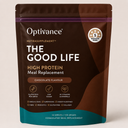
Where Optivance Toddler Smoothie may fit
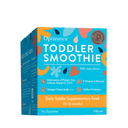
Optivance Toddler Smoothie provides 40 mg DHA per serve from algae.
This means families can see exactly how much DHA is included in each standard serve. It may be useful for toddlers who eat little or no fish, although it does not mean every toddler needs the product.
Optivance Toddler Smoothie is made for children aged 1–3 and also provides:
- Protein
- Fibre
- Probiotics
- 16 vitamins and minerals plus lutein
It is designed to supplement a normal diet—not replace fish, family meals, varied healthy fats or ongoing food exploration.
The DHA comes from algae, but the complete product contains milk and soy. It is therefore not dairy-free or vegan.
Learn what each part of the formula contributes → Optivance Toddler Smoothie Ingredients Explained
View ingredients, preparation and allergens → Optivance Toddler Smoothie product page
Your practical omega-3 check
Take five minutes to review what your toddler currently eats.
Ask:
- Is fish or seafood offered?
- Are plant sources such as canola oil, tofu, legumes or smooth nut and seed pastes included?
- Is a fortified food already providing DHA?
- Are any supplements already being used?
- Is there a genuine gap—or am I reacting to one small meal?
This gives you a much clearer starting point than choosing a product solely because “omega-3” appears on the front.
Final thoughts
Omega-3 does not need to become another nutrient you count at every meal.
Plant foods can provide ALA. Fish and seafood provide DHA and EPA. Algal ingredients can also provide DHA without fish.
Include suitable sources across the broader eating pattern, prepare fish safely and check the complete label before choosing a fortified food or supplement.
The goal is not to find the product with the biggest number. It is to understand what your toddler already eats and choose support that genuinely fits their needs.
Frequently asked questions
What is the best source of omega-3 for toddlers?
There is no single best food for every toddler. Fish provides DHA and EPA, while foods such as canola oil, linseed, walnuts, soy and legumes provide plant-based ALA.
How much omega-3 does a toddler need?
Australian guidance lists 0.5 g of ALA and 40 mg of combined DHA, EPA and DPA per day for children aged 1–3. These are population guides rather than numbers parents need to calculate precisely each day.
Is DHA the same as omega-3?
DHA is one type of omega-3. ALA and EPA are other types.
Do chia seeds provide DHA?
Chia seeds mainly provide ALA. The body can turn some ALA into DHA and EPA, but only a limited amount is converted.
What if my toddler refuses fish?
Continue offering small, age-appropriate amounts without pressure. You can also include suitable plant sources and discuss an age-specific fortified food or supplement with a health professional where needed.
Does my toddler need fish every day?
No. Fish is one option within a broader food group that also includes meat, poultry, eggs, tofu, legumes and nut or seed pastes.
Is algal DHA suitable for families avoiding fish?
Algal DHA provides DHA without fish. However, check the complete product because it may contain other animal-derived ingredients or allergens.
Can I give my toddler an adult fish-oil capsule?
Do not estimate a toddler dose from an adult supplement. Choose an age-appropriate product and follow professional or label guidance.
Does 40 mg DHA mean my toddler has received all the omega-3 they need?
It provides a clear amount of DHA, but omega-3 intake should be considered across the broader diet. Australia’s 40 mg guide combines DHA, EPA and DPA rather than setting a DHA-only target.
Disclaimer
This article provides general educational information and is not a substitute for personalised medical, nutritional or pharmaceutical advice. Seek individual guidance for allergies, restricted diets, supplement use or concerns about growth.
References
- Australian Government, Eat for Health. Fats: Total Fat and Fatty Acids—Nutrient Reference Values. Accessed 26 July 2026.
- Australian Government, Eat for Health. Recommended Number of Serves for Children, Adolescents and Toddlers. Accessed 26 July 2026.
- Food Standards Australia New Zealand. Mercury in Fish. Updated 25 February 2025.
- Healthdirect Australia. Dietary Supplements. Accessed 26 July 2026.


