





Some toddlers rarely seem interested in a large meal.
They may eat half a piece of toast at breakfast, a few bites at lunch and then become hungry again before the next family meal.
For toddlers with smaller appetites, snacks can be more than something to fill the time between meals. A planned snack is another opportunity to offer food from the five food groups.
The key word is planned.
Continuous grazing can make it difficult for a toddler to arrive at meals with an appetite. A regular rhythm of meals and snacks is usually more helpful. Sydney Children’s Hospitals Network recommends three small meals and two to three snacks at regular times for toddlers aged 1–3.
The practical approach: Treat snacks as small eating occasions rather than endless access to food throughout the day.
Snacks can help toddlers with small appetites receive useful foods across the day, but they are only one part of the wider eating pattern. Meals, drinks, food-group variety and feeding comfort also matter. For a broader look at food-first strategies, fussy eating and supplementary support, read our Practical guide to nutrition for fussy toddlers → Nutrition for Fussy Toddlers: A Practical Guide to Food, Supplements and Support.
Does a small appetite mean something is wrong?
Not necessarily.
Toddler appetite commonly varies across meals and days. Some children naturally eat smaller amounts at each sitting.
Look at the broader pattern:
- Is your toddler growing along their expected pattern?
- Do they usually have energy?
- Are several food groups represented across the week?
- Is the accepted range stable?
- Are snacks supporting rather than replacing meals?
- Do they chew and swallow safely?
Persistent low intake, weight loss, a shrinking food range or reliance on drinks warrants professional advice.
What makes a useful toddler snack?
A useful snack might combine two food groups or add something that has been less available elsewhere in the day.
Examples include:
- Fruit with yoghurt
- Toast with avocado
- Crackers with hummus
- Egg with soft bread
- Cheese with fruit
- Porridge with yoghurt
- Soft cooked vegetables with a suitable dip
Not every snack needs to contain multiple ingredients. A simple fruit, yoghurt or piece of toast may be enough depending on the rest of the day.
Protein-containing snack ideas
Protein-rich foods can be included through:
- Plain yoghurt
- Cheese
- Egg
- Hummus
- Mashed beans
- Tofu
- Smooth nut or seed paste where safely introduced
- Milk used appropriately within the day
- Leftover soft meat or fish in an age-appropriate form
Understand how toddler meals and snacks add up across the day → How Much Should a Toddler Eat in a Day?
Simple combinations include:
- Yoghurt and soft fruit
- Toast with egg
- Crackers with hummus
- Tofu pieces with soft cooked vegetables
- Cheese and pear
- Smooth nut paste thinly spread on toast
Whole nuts are a choking risk for toddlers. Use smooth paste only where it is suitable for the child and there is no relevant allergy concern.
Iron-containing snack ideas
Iron-containing foods can include:
- Iron-fortified cereal
- Egg
- Hummus
- Lentil spread
- Mashed beans
- Tofu
- Soft meat or fish
- Smooth nut or seed paste
Ideas include:
- Iron-fortified cereal with yoghurt
- Toast fingers with hummus
- Egg with soft bread
- Lentil patty prepared in a safe texture
- Tofu with soft fruit or vegetable
- Small meatball pieces prepared appropriately
Food fussiness alone cannot diagnose iron deficiency. Do not start an iron supplement without professional advice.
Explore iron food sources and when supplementation may be needed → Iron-Rich Foods for Fussy Toddlers
Fibre-containing snack ideas
Sources of fibre include:
- Fruit
- Vegetables
- Oats
- Wholegrain bread
- Legumes
- Suitable wholegrain cereal
Examples:
- Soft pear with yoghurt
- Banana and oats
- Wholegrain toast with avocado
- Hummus with a suitable soft accompaniment
- Porridge with fruit
- Soft cooked vegetable pieces
Introduce fibre-containing foods alongside adequate fluids and in a way your toddler can safely manage.
More substantial snacks for small appetites
Where a toddler eats small amounts, a snack can combine food groups.
Examples include:
- Full-fat yoghurt with fruit for children under two
- Toast with avocado and egg
- Cheese with bread and soft fruit
- Porridge with yoghurt
- Smooth nut paste on toast where safe
- Hummus with soft bread
- A homemade smoothie using suitable ingredients
- Rice with tofu
- Small pasta portion with cheese or lentil sauce
Full-fat dairy is generally recommended for children under two. Reduced-fat milk may be suitable from age two for children with a good appetite and normal growth.
A child needing a medically directed high-energy diet requires individual advice rather than a general snack list.
Soft-texture snack ideas
For toddlers who prefer softer textures:
- Yoghurt
- Soft ripe fruit
- Porridge
- Mashed avocado on toast
- Smooth hummus
- Soft egg
- Smooth bean spread
- Soft cooked vegetables
- Smoothie prepared with suitable ingredients
A strong preference for one texture does not automatically indicate a feeding problem. Seek advice if the range is extremely narrow or your child cannot progress through age-appropriate textures.
Understand soft, dry, mixed and crunchy texture preferences → The Toddler Taste and Texture Explorer
Portable toddler snacks
Portable ideas might include:
- Soft fruit in an appropriate container
- Cheese
- Yoghurt kept safely chilled
- Soft sandwich pieces
- Toast fingers with a thin spread
- Soft vegetable fritter
- Suitable homemade muffin
- Cooked egg kept at a safe temperature
- Soft pasta or rice in a chilled container
Food safety matters when dairy, egg, meat or cooked foods are taken away from home.
Avoid portable foods that create choking risks, including:
- Whole nuts
- Popcorn
- Whole grapes
- Hard raw apple
- Hard raw carrot
- Large pieces of sausage
- Hard lollies
- Difficult-to-chew foods
Healthdirect recommends avoiding hard and round choking-risk foods for young children.
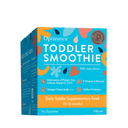
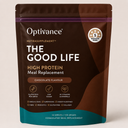
For families looking for a convenient supplementary option on ordinary fussy days, Optivance Toddler Smoothie can be offered as a planned eating occasion alongside normal foods. It provides protein, fibre, DHA, probiotics, and 16 vitamins and minerals plus lutein for children aged 1–3. It is intended to supplement a normal diet—not replace meals, varied snacks or professional support where appetite or growth is concerning. View the ingredients, nutrition and preparation information → Optivance Toddler Smoothie product page.
How often should toddlers snack?
A broad pattern of two to three planned snacks between meals is commonly recommended for toddlers aged 1–3.
Try to avoid:
- Constant grazing
- Snacks immediately before every meal
- Carrying food around throughout the day
- Automatically offering a snack whenever a meal is refused
- Large filling drinks close to meals
The exact timing will depend on your household and child.
A toddler snack does not need to be large. Starting with a manageable amount can reduce waste and make the food feel less overwhelming, with more available when your child is still hungry. Learn why small starting portions can make eating easier → Toddler Portion Sizes: Why Starting Small Can Make Mealtimes Easier
What about milk and drinks?
Water should remain readily available.
Milk can contribute nutrition, but large volumes may reduce appetite for food. Seek advice if your toddler relies on milk or other drinks and regularly eats very little solid food.
Juice and sweetened drinks are not needed as routine toddler snacks.
Can a smoothie be a snack?
A homemade smoothie can be a planned eating occasion when made with age-appropriate ingredients.
Depending on the recipe, it might include:
- Yoghurt
- Milk or a suitable alternative
- Fruit
- Oats
- Avocado
- Smooth nut or seed paste where appropriate
Smoothies can be filling, so timing matters. They should not repeatedly remove appetite for meals or become the only texture a toddler accepts.
Where Optivance Toddler Smoothie may fit
Some families may use Optivance Toddler Smoothie as a planned supplementary eating occasion on less predictable days.
It is formulated for children aged 1–3 and is intended to supplement a normal diet—not replace ordinary meals, snacks or food variety.
It should be timed thoughtfully so that it does not repeatedly displace meals.
Explore preparation and flavour variations → Creative Smoothie Recipes for Toddlers
When should you seek advice?
Speak with a health professional if your toddler:
- Is losing weight or not growing as expected
- Has low energy
- Eats very few foods
- Avoids entire food groups
- Depends heavily on drinks
- Has pain, vomiting or persistent digestive symptoms
- Regularly coughs or chokes
- Has difficulty chewing or swallowing
Small appetites can be normal, but ongoing weight loss, poor growth, dependence on drinks or a shrinking range of accepted foods deserves individual advice. Recognise when fussy eating may need professional support → When Is Fussy Eating More Than a Phase?]
Final thoughts
A toddler snack does not need to be elaborate.
Think of it as another small opportunity to offer useful food, particularly when main meals are modest.
Plan snacks rather than allowing all-day grazing. Combine familiar foods where useful, prepare everything safely and keep the portion manageable.
Frequently asked questions
How many snacks should a toddler have?
Two to three planned snacks alongside three small meals is a common pattern for toddlers aged 1–3.
What is a filling snack for a toddler?
A combination such as yoghurt with fruit, toast with egg or hummus with bread can provide a more substantial eating opportunity.
Should I offer a snack after a refused meal?
Avoid immediately replacing every refused meal. Offer the next planned snack at its usual time.
Are packaged toddler snacks necessary?
No. Normal family foods can make suitable snacks when prepared safely.
Can a smoothie replace a snack?
A smoothie can be used as a planned snack, but it should not routinely replace normal food textures and variety.
Disclaimer
This article provides general educational information and is not a substitute for individual dietary or medical advice.
References
- Sydney Children’s Hospitals Network, Healthy eating for toddlers (1–3 years).
- Raising Children Network, Toddler not eating? Ideas and tips.
- Healthdirect Australia, Choking.
- Royal Children’s Hospital Melbourne, Jack: feeding development and difficulties.


