





Our toddler refuses meat, removes beans from pasta and will not touch the iron-fortified cereal you bought.
It is natural to worry about iron.
Children aged 1–3 have an Australian iron RDI of 9 mg per day. Iron supports haemoglobin, which carries oxygen through the body.
You do not need to begin with a large serve of red meat.
Iron is only one part of the wider nutrition picture. A toddler who refuses meat may still receive iron from eggs, tofu, legumes and fortified cereals, while other food groups may need separate attention. For a broader look at fussy eating, food-first support and supplementary options, read our Practical guide to nutrition for fussy toddlers → Nutrition for Fussy Toddlers: A Practical Guide to Food, Supplements and Support.
The Pair, Place and Repeat method
- Pair an iron food with an accepted meal
- Pair plant iron with vitamin C
- Place a manageable amount
- Repeat opportunities across the week
You do not need to replace the whole meal to create another iron opportunity. Start with a food your toddler already accepts, add one manageable iron-containing food and keep most of the meal familiar. Use the four-step method to improve familiar toddler meals → The 4-Step Toddler Meal Upgrade
Understand haem and non-haem iron
Haem iron
Haem iron is found in:
- Red meat
- Poultry
- Fish and seafood
It is generally absorbed more readily.
Non-haem iron
Non-haem iron is found in:
- Legumes
- Tofu
- Egg
- Iron-fortified cereals and breads
- Nuts and seeds in safe forms
- Some vegetables and grains
Egg contains iron, but it should not be described as a haem-iron food. Queensland Health separates animal haem-iron foods such as meat, poultry and seafood from other iron-containing options.
Step 1: Pair an iron food with an accepted meal
Do not remove the familiar food.
Try:
- Plain pasta with lentil sauce in a separate bowl
- Toast with egg beside it
- Rice with tofu kept separate
- Crackers with hummus
- An iron-fortified cereal alongside an accepted breakfast food
- Soft meat beside familiar bread or pasta
- Beans added to part of an accepted sauce
The child still has something recognisable even when the iron food is not eaten.
Step 2: Pair plant iron with vitamin C
Vitamin C can increase absorption of non-haem iron from plant foods. Queensland Health recommends combining vegetarian iron sources with foods containing vitamin C.
Examples include:
| Iron food | Vitamin C food |
|---|---|
| Hummus | Tomato or suitable capsicum |
| Lentils | Broccoli or tomato sauce |
| Iron-fortified cereal | Berries or kiwi fruit |
| Tofu | Vitamin C-containing vegetables |
| Beans | Tomato |
| Smooth nut paste | Suitable fruit |
The foods do not need to be mixed into one mouthful.
Iron needs to be considered alongside the rest of your toddler’s eating pattern. When several food groups are excluded, nutrients such as calcium, zinc, iodine, vitamin B12 and vitamin D may also deserve attention. Understand how food groups provide toddler vitamins and minerals → Vitamins and Minerals for Toddlers: Start With Food Groups
Step 3: Place a manageable amount
Start with:
- A teaspoon of hummus
- A little lentil sauce
- One small piece of tofu
- A small amount of egg
- A thin spread of smooth nut or seed paste
- A modest portion of fortified cereal
This is an exploration amount, not a target your toddler must finish.
Step 4: Repeat iron opportunities
Iron can appear at different eating occasions:
- Fortified cereal at breakfast
- Hummus at a snack
- Egg at lunch
- Lentils, tofu, fish, poultry or meat at dinner
Repeated opportunities are more practical than expecting one large iron-rich meal.
Match iron foods to accepted textures
Smooth textures
- Smooth hummus
- Lentil puree
- Bean dip
- Iron-fortified smooth cereal
- Tofu blended into part of a familiar sauce
Dry or separate foods
- Egg beside toast
- Firm tofu prepared appropriately
- Smooth nut paste on toast
- Soft meat served separately
- Fortified cereal where age-appropriate
Sauce-based meals
- Lentil tomato sauce
- Meat sauce
- Mashed beans in sauce
- Tofu added to part of a sauce
Milk and iron-rich eating
Milk can contribute useful nutrients, but large amounts may displace solid food and reduce opportunities to eat iron-containing foods.
Do not abruptly restrict milk. Review the complete pattern with a GP or dietitian if milk or other drinks provide most of your toddler’s intake.
When to speak with a GP
Possible signs associated with anaemia can include:
- Paleness
- Low energy
- Irritability
- Poor growth
- Reduced appetite
- Eating non-food substances
These signs can have several causes. Iron status requires medical assessment and may require blood tests.
Paleness, low energy, poor growth or a very narrow diet should not be managed by food changes alone. These signs can have several causes and deserve individual assessment. Recognise when fussy eating may need professional support → When Is Fussy Eating More Than a Phase?
Do not give iron “just in case”
Iron supplements should be used on professional advice.
The amount used to treat a diagnosed deficiency differs from ordinary dietary intake, and accidental overdose can be dangerous. Store iron products securely and follow the prescribed dose.
A general multivitamin is not always the right response to concerns about iron. Some products contain little or no iron, while confirmed deficiency may require targeted treatment under medical guidance. Decide whether a multivitamin is the right next step → Does My Fussy Toddler Need a Multivitamin?
Your iron action step
Choose one accepted meal this week and add:
- One manageable iron food
- One vitamin C food where the iron is plant-based
Example:
Plain pasta + one teaspoon of lentil sauce beside it + soft tomato.
The toddler does not have to eat every element for the meal to remain a useful exposure.
Where Optivance Toddler Smoothie may fit
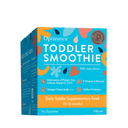
The product data sheet lists 3 mg iron per 25 g serve. Optivance is a supplementary food and should not be used to diagnose or self-treat suspected iron deficiency.
A child with symptoms, poor growth or a highly restricted diet should receive individual assessment.
For families looking for an age-specific supplementary option, Optivance Toddler Smoothie provides iron alongside protein, fibre, DHA, probiotics, and 16 vitamins and minerals plus lutein. It is made for children aged 1–3 to supplement a normal diet—not diagnose or treat iron deficiency, replace iron-rich foods or substitute for medical advice. View the full nutrition panel, ingredients and preparation information → Optivance Toddler Smoothie product page.
Final thoughts
Iron does not need to arrive as a large piece of meat.
Pair an iron food with something familiar, add vitamin C to plant-based meals, begin with a manageable amount and repeat opportunities calmly.
Frequently asked questions
How much iron does a toddler need?
The Australian RDI for children aged 1–3 is 9 mg per day.
Which foods contain iron?
Sources include meat, poultry, fish, legumes, tofu, egg, smooth nut or seed pastes and fortified cereals.
Does egg provide haem iron?
No. Egg contains iron, but it is treated as a non-haem source.
Does vitamin C improve iron absorption?
Vitamin C can improve absorption of non-haem iron from plant foods.
Should I give my toddler iron drops?
Only use iron supplements on professional advice.
Disclaimer
This article provides general educational information and does not replace medical assessment or individual dietary advice.
References
- Australian Government, Eat for Health. Iron: Nutrient Reference Values. Accessed 25 July 2026.
- Queensland Health. How to Meet Your Child’s Iron Needs? Updated October 2025. Accessed 25 July 2026.
- Queensland Health. Iron. Accessed 25 July 2026.


