





Your toddler refuses chicken, leaves meat untouched and removes beans from their plate.
It can seem as though no protein is being eaten at all.
But meat is not the only source. Protein appears in egg, dairy, tofu, legumes, nut and seed pastes, fish and many ordinary meals.
Australian Nutrient Reference Values set the protein RDI for children aged 1–3 at 14 g per day. This is a population reference, not an amount parents need to count at every meal.
Protein is only one part of toddler nutrition. A child who refuses meat may still receive protein through dairy, eggs, legumes, tofu and other accepted foods, while other areas of the diet may need separate attention. For a broader way to review food groups, fussy eating and supplementary nutrition together, read our Practical guide to nutrition for fussy toddlers → Nutrition for Fussy Toddlers: A Practical Guide to Food, Supplements and Support.
The Protein Opportunity Method
- Identify accepted protein foods
- Find two or three realistic opportunities
- Pair them with familiar meals
- Review the complete day before adding products
Step 1: Identify protein foods already accepted
Look beyond meat.
Protein sources can include:
- Egg
- Yoghurt
- Milk
- Cheese
- Fish
- Chicken or meat
- Tofu
- Lentils
- Chickpeas
- Beans
- Hummus
- Smooth nut or seed paste
- Some grain foods
Write down the exact form your toddler eats:
- Smooth yoghurt
- Cheese melted on toast
- Scrambled egg
- Hummus as a dip
- Lentils blended into a familiar sauce
- Tofu kept separate from rice
You may discover that your toddler is receiving more protein opportunities than you first thought.
Step 2: Find realistic opportunities across the day
The goal is not to make every meal “high protein”.
Look for two or three natural places where a protein food already fits:
- Yoghurt with breakfast
- Hummus or cheese at a snack
- Egg, tofu, legumes, meat or fish at lunch or dinner
A fruit-only snack does not become a bad snack because it contains little protein. Review the total eating pattern rather than engineering every mouthful.
Step 3: Pair protein with familiar meals
You do not need to redesign your toddler’s whole plate to create another protein opportunity. Start with a meal they already accept and add one manageable food while keeping most of the meal familiar. Use the four-step method to improve familiar toddler meals → The 4-Step Toddler Meal Upgrade
Use an accepted food as the base:
| Familiar food | One protein opportunity | How to keep it manageable |
|---|---|---|
| Toast | Egg, cheese, hummus | Serve beside it or on one corner |
| Pasta | Cheese, lentil sauce, tofu | Keep most pasta plain |
| Rice | Egg, tofu, beans | Serve components separately |
| Fruit | Yoghurt or cheese | Place beside the fruit |
| Crackers | Hummus or smooth nut paste | Offer a small amount as a dip |
| Porridge | Milk or yoghurt | Maintain the familiar thickness |
Step 4: Review the whole day
Here is an illustration—not a prescribed meal plan:
Breakfast
Porridge with yoghurt.
Morning snack
Fruit.
Lunch
Toast with egg beside it.
Afternoon snack
Crackers with hummus.
Dinner
Plain pasta with cheese on a few pieces.
The child has several protein opportunities without a large meat serve or protein powder.
Do not use the example to calculate an exact intake without considering actual brands, amounts and how much the child eats.
What if your toddler refuses meat?
Try alternatives based on accepted textures.
Smooth or creamy preferences
- Yoghurt
- Smooth hummus
- Blended lentil dip
- Silken tofu in a suitable recipe
Dry or separate preferences
- Egg beside toast
- Cheese served separately
- Firm tofu prepared safely
- Smooth nut paste thinly spread on bread
Familiar sauce preferences
- Lentils in tomato sauce
- Meat sauce
- Tofu blended into part of a sauce
- Mashed beans
Continue allowing the child to see and explore the ingredient in recognisable forms. Blending an ingredient into sauce may contribute nutrition, but it does not automatically teach acceptance of that food separately.
Vegetarian and vegan toddlers
Plant foods can provide protein through legumes, tofu, grains, nut and seed pastes. A carefully planned vegetarian or vegan diet can support children, but energy, B12, iron, calcium, iodine, zinc and omega-3 also need consideration.
Seek dietetic advice when several food groups are excluded or reliable B12 supplementation has not been arranged.
When several food groups are excluded, protein may not be the only nutrient requiring attention. Iron, calcium, vitamin B12, iodine, zinc and omega-3 may also need consideration. Understand where toddler vitamins and minerals come from → Vitamins and Minerals for Toddlers: Start With Food Groups
Does a toddler need protein at every meal?
No.
Protein foods should appear regularly across the eating pattern, but parents do not need to add protein to every piece of fruit, cracker or drink.
Too much focus on protein can:
- Displace other food groups
- Change familiar foods unnecessarily
- Encourage use of adult powders
- Create anxiety around counting grams
Does a toddler who refuses meat need protein powder?
Not automatically.
Before considering a product, ask:
- Which protein foods are already accepted?
- How much is being eaten across the day?
- Is the child growing as expected?
- Does the product suit ages 1–3?
- Does it duplicate fortified products?
- Does it contain allergens or ingredients not intended for toddlers?
Adult sports powders are not designed as general toddler foods.
Your protein action step
Write down tomorrow’s planned meals and circle two realistic protein opportunities.
Do not add five new foods.
Choose sources your toddler already accepts or one manageable addition to a familiar meal.
Where Optivance Toddler Smoothie may fit
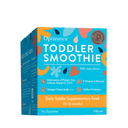
The Optivance product data sheet lists 10.6 g protein per prepared serve, which is a substantial contribution relative to the Australian 14 g RDI. Total protein from all meals, snacks and supplementary products must therefore be considered rather than assuming more is always better.
For families looking for an age-specific supplementary option, Optivance Toddler Smoothie provides 10.6 g of protein per standard serve, alongside fibre, DHA, probiotics, and 16 vitamins and minerals plus lutein. It is made for children aged 1–3 to supplement a normal diet—not replace meals, varied protein foods or professional advice where growth is concerning. View the complete nutrition, ingredient and preparation information → Optivance Toddler Smoothie product page
Final thoughts
Protein does not need to dominate every plate.
Identify what your toddler already eats, find several realistic opportunities and review the whole day before adding powders or extra products.
Frequently asked questions
How much protein does a toddler need?
The Australian RDI for children aged 1–3 is 14 g per day.
Is egg a protein food?
Yes. Egg contributes protein and can be served in several toddler-appropriate forms.
What if my toddler refuses meat?
Try egg, dairy, tofu, legumes, hummus or smooth nut and seed pastes where suitable.
Does every meal need protein?
No. Look across the overall daily pattern.
Are adult protein shakes suitable for toddlers?
They are not designed as routine toddler foods. Use age-specific products and obtain advice where growth or nutritional concerns exist.
Disclaimer
This article provides general education and does not replace individual medical or dietetic advice.
References
- Australian Government, Eat for Health. Protein: Nutrient Reference Values. Accessed 25 July 2026.
- Healthdirect Australia. Vegetarian and vegan diets. Accessed 25 July 2026.
- Australian Government, Eat for Health. Australian Dietary Guidelines 1–5. Accessed 25 July 2026.


