






When your toddler prefers white toast, plain pasta, yoghurt and dry crackers, fibre can feel difficult to include.
The Australian Adequate Intake for dietary fibre for children aged 1–3 is 14 g per day. This figure was based on median dietary intakes in Australian and New Zealand children, with an allowance for resistant starch. It should not be treated as a number parents must calculate bite by bite.
Building fibre is only one part of supporting a toddler with a small or selective appetite. Their overall food-group pattern, meal routine, accepted textures and growth also matter. For a broader look at food-first strategies, supplementary nutrition and when professional support may help, read our Practical guide to nutrition for fussy toddlers → Nutrition for Fussy Toddlers: A Practical Guide to Food, Supplements and Support.
The Swap, Add and Build method
- Swap one familiar food for a related option
- Add one plant-food opportunity
- Build gradually while offering water
Where fibre comes from
Fibre is found in plant foods, including:
- Fruit
- Vegetables
- Legumes
- Oats
- Wholegrain breads and cereals
- Brown rice
- Wholegrain pasta
- Nuts and seeds in safe, age-appropriate forms
Meat, eggs and dairy do not naturally provide dietary fibre.
Step 1: Make one manageable swap
Do not change every grain food at once.
Try:
- One piece of a higher-fibre bread beside familiar toast
- Mixing familiar cereal with another suitable cereal
- Combining ordinary and wholegrain pasta
- Adding oats to an accepted breakfast
- Choosing a similar bread with a little more fibre
The swap should remain recognisable.
A sudden change from soft white bread to a dense, seeded bread may alter taste, texture and appearance simultaneously.
Step 2: Add one plant-food opportunity
Use the accepted meal as the foundation.
| Accepted meal | One possible fibre addition | Keep it familiar by… |
|---|---|---|
| Toast | Avocado, hummus or smooth nut paste | Using one corner or serving beside it |
| Pasta | Lentil sauce or soft vegetables | Keeping most pasta plain |
| Yoghurt | Soft fruit or oats | Serving separately first |
| Porridge | Fruit | Keeping the usual thickness |
| Crackers | Hummus | Offering a small dip |
| Rice | Beans or soft vegetables | Keeping components separate |
Use the four-step method to improve familiar meals → The 4-Step Toddler Meal Upgrade
Step 3: Build gradually
Do not try to supply all fibre through one cereal, supplement or powder.
A broader pattern might include:
Breakfast
Porridge with fruit beside it.
Snack
Toast with avocado.
Lunch
Plain pasta with lentil sauce offered separately.
Snack
Yoghurt and soft pear.
Dinner
Rice with a soft vegetable and protein food.
This is an illustration, not a prescribed menu or amount every child must finish.
Fibre and water
Water should remain the main everyday drink. Adequate hydration supports normal bowel function, and Australian parenting guidance recommends water throughout the day.
Increasing fibre without considering fluids, appetite and existing constipation may not resolve the problem.
Fibre is not a complete constipation treatment
A varied pattern containing fruit, vegetables and wholegrains can help prevent constipation, but established constipation sometimes requires medical treatment.
Current Australian guidance advises seeing a GP when dietary and toileting changes are not helping or when there are concerns about eating and drinking. Some children require laxative treatment under professional guidance.
Seek advice if your toddler has:
- Painful, hard bowel motions
- Blood in the stool
- Ongoing withholding
- Vomiting
- Abdominal swelling
- Leakage or soiling
- Persistent poor appetite
- Constipation that is not improving
Can fibre be increased too quickly?
A sudden increase in legumes, bran-heavy cereal or supplementary fibre may cause wind, bloating or discomfort in some children.
Build variety gradually and observe the response rather than adding large quantities of fibre powder.
What about fibre supplements?
Supplementary fibres differ in how they behave in food and the digestive system.
Do not assume that adding a powder is equivalent to providing a range of fruit, vegetables, grains and legumes. Discuss ongoing constipation or a very restricted diet with a GP or dietitian before using a fibre supplement.
Your fibre action step
Choose one:
- Make one familiar grain swap
- Add one fruit or vegetable to an accepted eating occasion
- Offer legumes once in a familiar form
- Review whether water is regularly available
Make one change rather than rebuilding the entire day.
Where Optivance Toddler Smoothie may fit
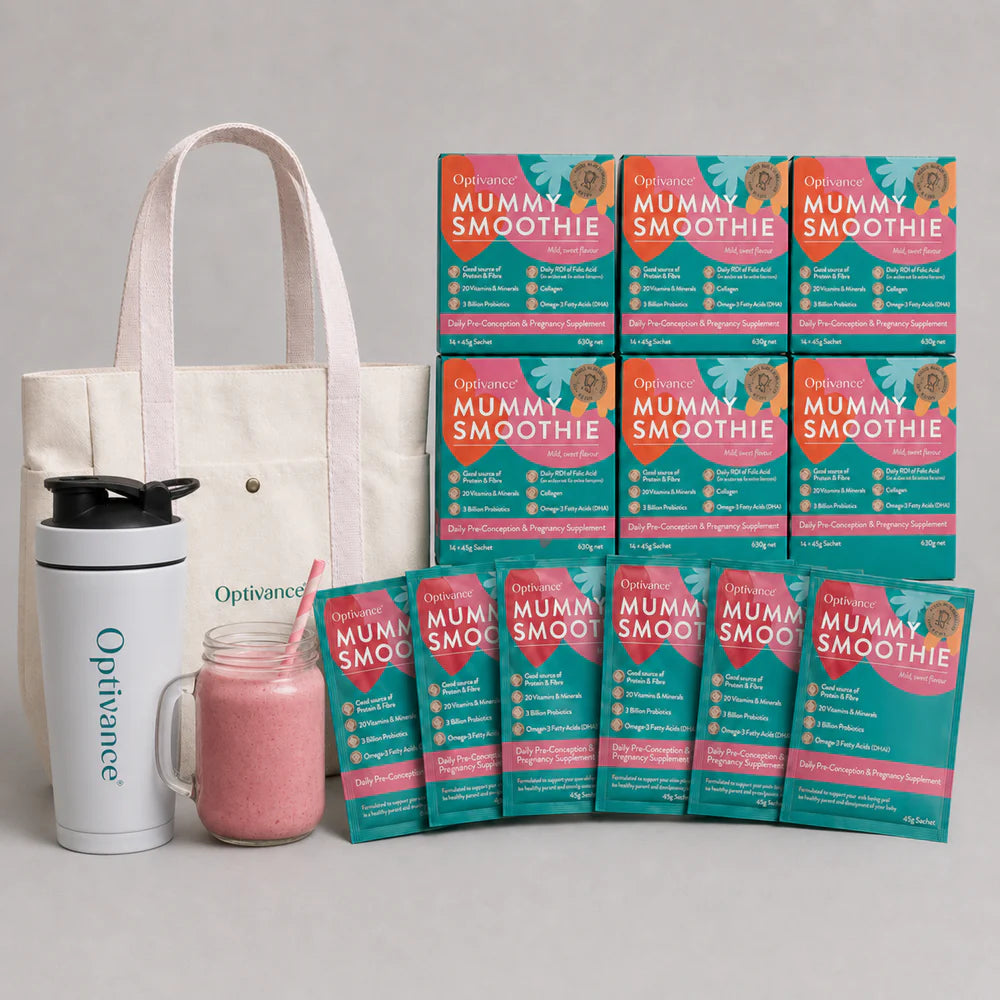
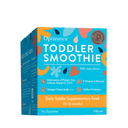
The Optivance product data sheet lists 1.9 g dietary fibre per serve, including partially hydrolysed guar gum. This contributes to intake but is not the full 14 g Adequate Intake and should not replace varied plant foods.
View Optivance Toddler Smoothie ingredients and nutrition information → Optivance Toddler Smoothie product page
Final thoughts
Building fibre does not require an overnight switch to unfamiliar foods.
Swap one familiar food, add one plant-food opportunity and build gradually while keeping water available.
Frequently asked questions
How much fibre does a toddler need?
The Australian Adequate Intake for ages 1–3 is 14 g per day.
What foods provide fibre?
Fruit, vegetables, legumes, oats and wholegrain cereals are useful sources.
Does juice provide the same fibre as fruit?
Juice generally provides much less fibre than whole fruit.
Will more fibre fix constipation?
Not always. Persistent constipation may require assessment and medical treatment.
Should I use fibre powder?
Discuss fibre supplements with a GP or dietitian, especially when constipation or severe restriction is present.
Disclaimer
This article provides general education and is not a treatment plan for constipation or another medical condition.
References
- Australian Government, Eat for Health. Dietary Fibre: Nutrient Reference Values. Accessed 25 July 2026.
- Raising Children Network. Constipation in babies and children. Updated 27 May 2026. Accessed 25 July 2026.
- Raising Children Network. Healthy drinks for children. Accessed 25 July 2026.


