













Why Vitamin B12 is Crucial for Breastfeeding Mums and Babies.
Introduction
Looking after your own nutrition can be difficult when life revolves around a new baby. This guide explains vitamin B12, food sources and when to seek professional advice.
The Role of Vitamin B12 in Mums
Vitamin B12 supports normal nerve function and red blood cell formation. Deficiency can cause tiredness and weakness, but fatigue has many possible causes. A healthcare professional can assess your symptoms. Source: NIH vitamin B12 fact sheet.
B12 is not a general solution for postpartum mood, memory or energy concerns. Seek personalised advice if you are struggling with these symptoms.
The Importance of B12 for Your Baby
Babies need B12 for brain development and healthy red blood cells. B12 reaches babies through breast milk, and maternal deficiency can put a breastfed infant at risk. Source: CDC, Vitamin B12 and Breastfeeding.
If you are concerned about your B12 status or your baby’s feeding, growth or development, speak with your GP or child health professional. A food product should not replace assessment or prescribed treatment.
Signs of B12 Deficiency in Breastfeeding Mums
Possible signs of B12 deficiency include the following. These symptoms are not specific to B12 deficiency:
- Persistent fatigue and weakness
- Dizziness or shortness of breath
- Numbness or tingling in hands and feet
- Difficulty concentrating or memory problems
- Mood changes, such as irritability or feeling down
Discuss persistent symptoms with your healthcare professional, who can decide whether testing and treatment are appropriate.
How to Maintain Healthy B12 Levels
- Meat and poultry
- Fish and shellfish (salmon, tuna, trout)
- Dairy products (milk, cheese, yogurt)
- Eggs
Animal foods and B12-fortified foods are dietary sources. People avoiding animal foods, or with conditions affecting absorption, should discuss suitable supplementation with their healthcare professional. Source: NIH; CDC breastfeeding guidance.
Vitamin B12 is only one part of a well-rounded breastfeeding nutrition routine. Protein, calcium, vitamin D, omega-3, iodine, hydration and overall meal consistency also play important roles in supporting new mums during this demanding stage. For a wider overview of breastfeeding nutrition, read our Breastfeeding Nutrition Guide: Key Nutrients, Food Sources and Simple Routines.
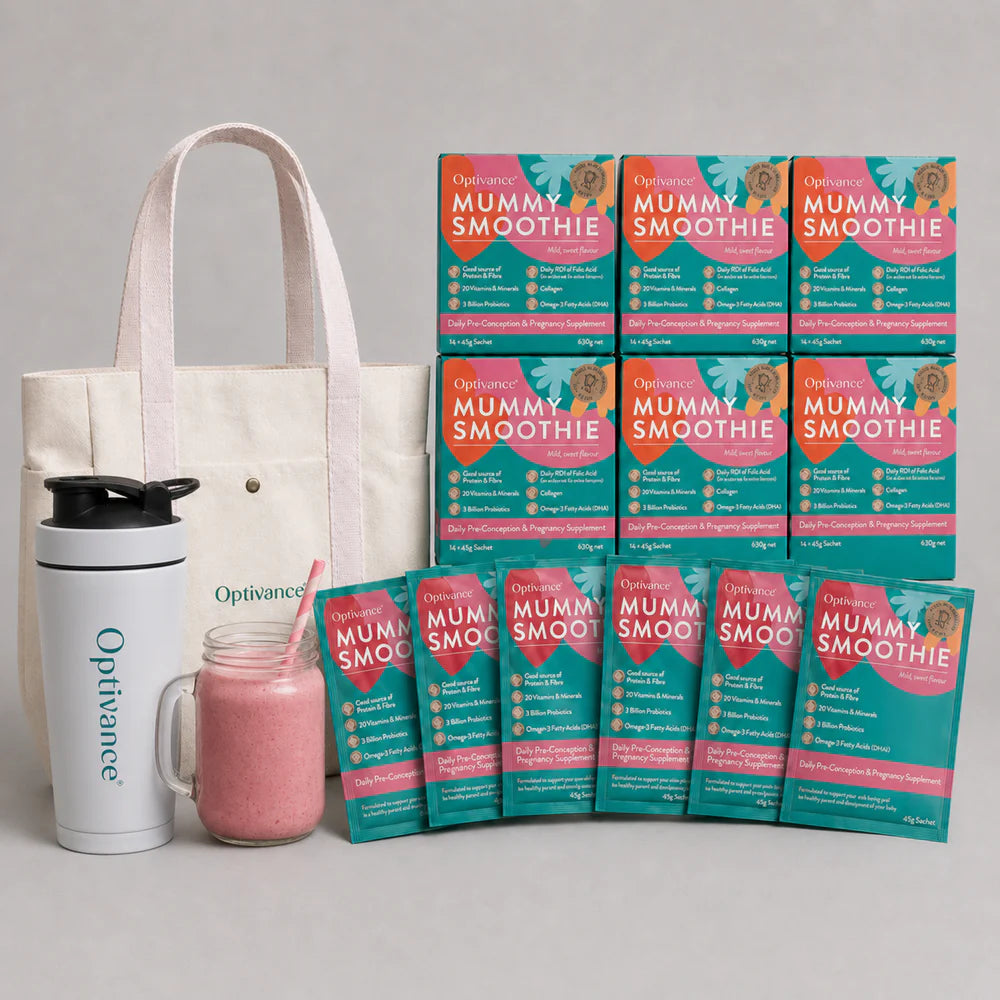
Optivance Mummy Smoothie: A Helping Hand for Busy Mums
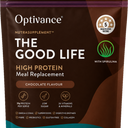
The Optivance Breastfeeding Vitamin Shake is a supplementary food to use alongside a varied diet. Check its label for nutrient amounts, preparation and allergens. It is not a treatment for B12 deficiency and does not promise benefits for your baby or an increase in milk supply.
Final Thoughts
Make room for regular meals and get personalised advice if you are concerned about your nutrient intake. If you already take supplements, discuss the combined amounts with your healthcare professional.
Commonly Asked Questions:
What are the symptoms of Vitamin B12 deficiency in Breastfeeding Mums?
Possible symptoms include fatigue, weakness and tingling or numbness. These can have other causes, so seek assessment rather than self-diagnosing. Source: NIH.
Can a Vitamin B12 deficiency affect my baby while breastfeeding?
Yes. Maternal deficiency can put a breastfed baby at risk of B12 deficiency. Seek advice from your healthcare professional if concerned. Source: CDC.
How can breastfeeding mums prevent Vitamin B12 deficiency?
Include dietary sources of B12 and discuss supplementation if you avoid animal foods or have absorption problems. Your healthcare professional can advise whether you need testing. Source: CDC.
About the Author
Kristy Petersen is a passionate nutritionist specialising in gut health and children’s nutrition. With years of experience, she is dedicated to helping families achieve optimal health through balanced dietary practices.
Learn more about Kristy here
Sources and further reading
- CDC: Vitamin B12 and Breastfeeding
- NIH Office of Dietary Supplements: Vitamin B12 Fact Sheet for Consumers
General nutrition information only. This article does not provide personalised medical advice.


