




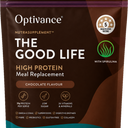









After birth, practical help with meals can make a difference to your day. This guide focuses on manageable food routines rather than promises about milk supply or faster recovery.
Start with regular eating opportunities
Keep simple meals and snacks available. Prepared portions, a shared shopping list and help from family or friends can reduce the amount you need to organise.
Protein-containing foods
Choose foods you enjoy, such as eggs, dairy, legumes, tofu or safely prepared meat and fish. Your needs after surgery or a complicated birth may require individual advice.
Iron and clinical follow-up
Follow any advice about iron or other supplements after birth. Persistent exhaustion, dizziness or concerns after blood loss should be discussed with your healthcare professional.
Hydration and milk supply
Keep water nearby and drink according to your needs. Do not rely on extra fluids, a food ingredient or a smoothie to increase milk supply. Ask a lactation consultant or maternity professional if feeding is a concern.
Weight and recovery
Avoid treating weight loss as the measure of a successful recovery. Get individual advice about eating and returning to activity, particularly after surgery or complications.
Where the Breastfeeding Vitamin Shake fits
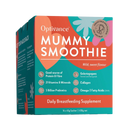
It is a supplementary food, not a meal replacement. A 45 g serve provides 17.5 g protein, 4 g fibre, 200 mg DHA omega-3, 5 billion CFU probiotics and 4 g collagen peptides, along with selected vitamins and minerals. Check the pack for the full label.
Use alongside your usual food
Prepare one 45 g sachet with 250 mL cold water as directed. It does not treat low milk supply, deficiency, fatigue or postpartum mood concerns. Discuss combining it with other supplements, and check its milk and soy allergens.
Related reading
See Breastfeeding Vitamin Shake
Questions about this topic
What easy foods can I keep available after birth?
Consider yoghurt, eggs, legumes and prepared meals you enjoy. Accept practical help with shopping and food preparation.
Does a smoothie increase milk supply?
Do not assume it does. Seek breastfeeding support if you are concerned about supply or your baby's feeding.
Sources and further reading
General information only. Seek personalised advice from your qualified healthcare professional about symptoms, medical conditions, medicines or supplements. These sources provide general guidance and do not endorse Optivance products.
Learn about Kristy Petersen, Optivance nutritionist.


