




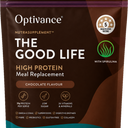








Between changing appetites, busy days and looking after your baby, nutrition can start to feel like another thing to work out. Vitamin B6 does not need to be complicated. The helpful starting point is knowing what your food and daily smoothie already provide before adding another supplement.
Your B6 needs, at a glance
Your daily needs increase during pregnancy and breastfeeding. Here is how one Mummy Smoothie sachet contributes alongside the food you eat.
| Life stage | Daily B6 recommendation | B6 in one matching 45 g Mummy Smoothie sachet |
|---|---|---|
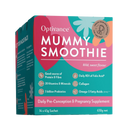
| Pregnancy, ages 14–50 | 1.9 mg | 1.9 mg in Pregnancy Mummy Smoothie |
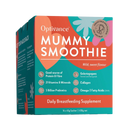
| Breastfeeding, ages 14–50 | 2.0 mg | 0.8 mg in Breastfeeding Mummy Smoothie |
These recommendations are daily totals, not amounts you need to take as a separate supplement. Product amounts are from the current pregnancy and breastfeeding nutrition panels. Always check your own pack.
Everyday food contributes too
A banana blended into your smoothie, chicken at lunch or potatoes with dinner can all add to your B6 intake. You do not need to get it all from one food or product.
| Food | Example amount | Approximate B6 |
|---|---|---|
| Banana | 1 medium | 0.4 mg |
| Roasted chicken breast | 85 g cooked | 0.5 mg |
| Boiled potatoes | 1 cup | 0.4 mg |
| Canned chickpeas | 1 cup | 1.1 mg |
Food figures are estimates from the NIH Office of Dietary Supplements food table. Amounts vary with the food, brand, preparation and serving size.
What could that look like in a day? A Breastfeeding Mummy Smoothie (0.8 mg), a medium banana (about 0.4 mg), 85 g roasted chicken breast (about 0.5 mg) and a cup of boiled potatoes (about 0.4 mg) would contribute approximately 2.1 mg B6 in total, before counting other foods. This is an illustration, not a meal plan you need to follow.
The pregnancy sachet already provides 1.9 mg B6. You can still enjoy ordinary B6-containing foods: meeting the daily recommendation does not mean you should avoid them. The important check is whether you are also adding other B6-containing supplements.
Why does B6 matter?
Vitamin B6 helps your body use nutrients from food and is involved in normal processes such as making haemoglobin, which carries oxygen in your blood. Your recommended intake is higher while pregnant or breastfeeding, but more is not automatically better.
You do not need to count every mouthful. A varied eating pattern and a clear understanding of the products you use are a more practical place to start.
Keep your routine simple
If you use a prenatal, breastfeeding supplement, magnesium product or multivitamin, have a look at the labels together. Some contain B6 even when it is not the main ingredient on the front of the pack.
- Check the B6 amount in the daily serving, not just one tablet.
- Include your smoothie, fortified drinks and any separate B6 product.
- Take photos of the labels to your pharmacist or maternity care professional if you are unsure what belongs in your routine.
If your clinician has prescribed a supplement or treatment, discuss changes with them rather than replacing it yourself.
What should you know about extra B6?
Putting the TGA warning in context: The concern is nerve damage linked to supplementary B6, including cases where people unknowingly took several products containing it. Some cases occurred below 50 mg a day, and the TGA has not established a minimum dose or length of use below which everyone is protected. The message is to check overlapping supplements, not to avoid ordinary B6-containing foods.
The current Mummy Smoothie panels list 1.9 mg B6 per pregnancy sachet and 0.8 mg per breastfeeding sachet. These amounts are much lower than 50 mg, but 50 mg is not a guaranteed safe threshold. Include your smoothie when reviewing any other B6-containing products with your pharmacist.
The recommended dietary intake is a guide to nutritional needs. It is not a supplement dose or a safety limit. Taking several B6-containing supplements can increase your intake without you realising.
The TGA warns that supplementary B6 can cause peripheral neuropathy, a type of nerve damage. If you develop tingling, burning or numbness in your hands or feet while taking a B6 supplement, stop taking it and seek medical advice promptly. Do not assume a product is suitable simply because its dose looks small.
A little less to juggle
At Optivance, we believe everyday nourishment should fit the stage of life you are in. Mummy Smoothie brings food-based nourishment and selected nutrients together in one easy-to-prepare sachet.
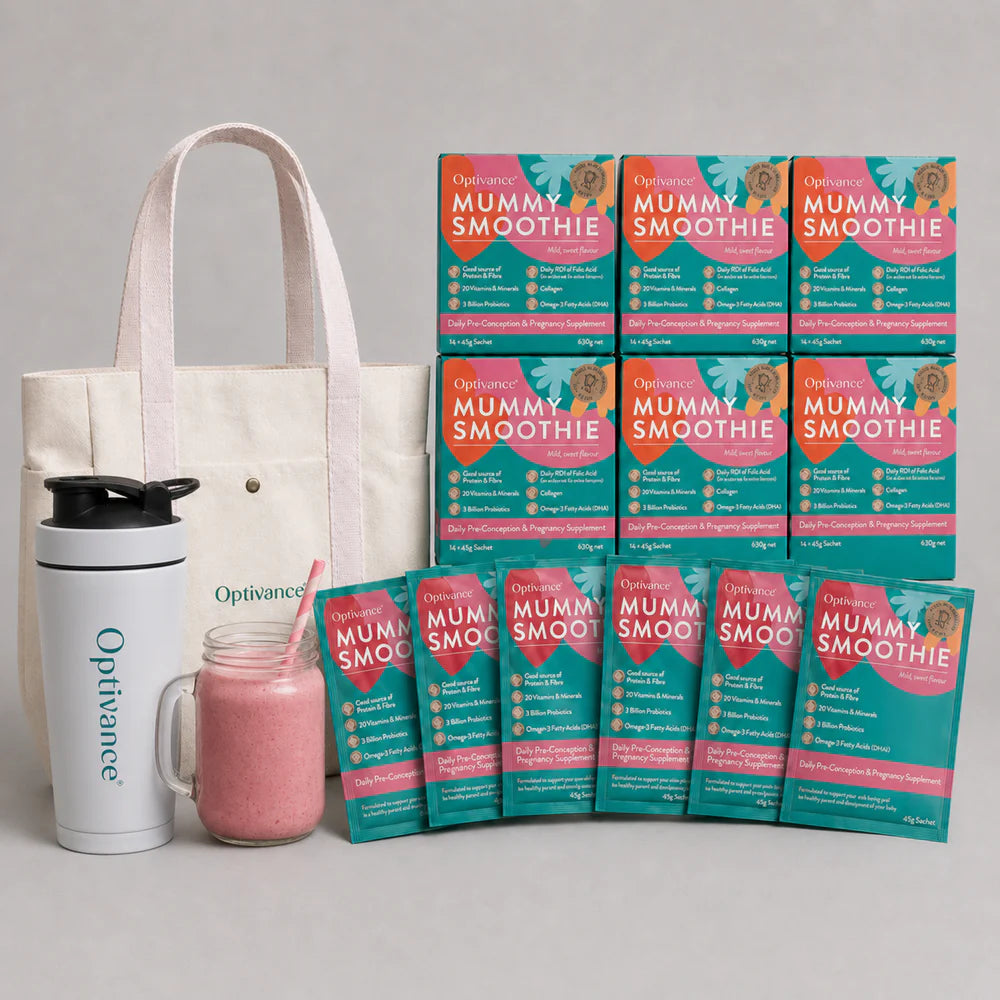
Choose the Mummy Smoothie made for your stage of life. Each easy-to-prepare sachet brings together protein, fibre, vitamins and minerals, including vitamin B6, with algal DHA omega-3, collagen and probiotics. It’s a simple way to add nourishment to your day, whether pregnancy has changed your appetite or breastfeeding leaves little time for yourself.
Enjoy it alongside a varied diet, and check any additional supplements with your pharmacist or maternity care professional.
Explore Pregnancy Mummy Smoothie · Explore Breastfeeding Mummy Smoothie
Sources and further reading
- Australian and New Zealand Nutrient Reference Values: vitamin B6
- NIH Office of Dietary Supplements: vitamin B6 and food sources
- TGA: peripheral neuropathy with supplementary vitamin B6
- TGA: are you unknowingly taking too much vitamin B6?
Nutrition guidance and product-page amounts checked 12 November 2026. This is general information, not individual dietary or medical advice.


