






The 7 Nutrients Every Pregnant Mum Needs
Pregnancy can make nutrition feel overwhelming.
One minute you are reading about folate. The next, someone mentions iodine, iron, DHA, calcium, vitamin D, protein, choline, probiotics and magnesium. Then you look at a prenatal label and wonder whether you are getting enough, too much, or missing something important.
The good news is that pregnancy nutrition does not need to be perfect to be supportive.
The goal is to build a realistic routine that helps you nourish your body while your baby grows. For most mums, that means a varied diet first, with supplements or pregnancy nutrition products used where they are needed or recommended.
During pregnancy, your body needs more of certain nutrients. Your appetite, digestion, energy and food preferences may also change. Some days, eating well feels easy. Other days, nausea, tiredness or food aversions can make even simple meals feel difficult.
This guide walks through seven important nutrients every pregnant mum should understand: folate, iodine, iron, DHA, calcium, vitamin D and protein.

1. Folate
Folate is one of the best-known pregnancy nutrients, and for good reason.
Folate is a B-group vitamin that supports healthy growth and development. It is especially important in the earliest stages of pregnancy, often before many women even know they are pregnant.
You may see different names used on labels. Folate is the form naturally found in foods such as leafy greens and legumes. Folic acid is the form commonly added to fortified foods and many supplements. Some prenatal products also include methylated folate, such as 5-MTHF.
Food sources of folate include:
-
leafy green vegetables
-
lentils and beans
-
avocado
-
oranges
-
asparagus
-
fortified breads and cereals
In Australia, many bread-making flours are fortified with folic acid as a public health measure. Even so, women planning pregnancy are commonly advised to take a folic acid supplement before conception and in early pregnancy.
Because folate matters so early, it is one nutrient worth thinking about before you start trying to conceive.
2. Iodine
Iodine is a mineral your body uses to make thyroid hormones.
During pregnancy, iodine is especially important because thyroid hormones support your baby’s normal growth and brain development. Pregnant and breastfeeding women have higher iodine needs than the general adult population.
Food sources of iodine include:
-
seafood
-
eggs
-
dairy foods
-
bread made with iodised salt
-
iodised salt
One important caution: kelp and seaweed products can contain highly variable levels of iodine. More is not always better, especially if you have a thyroid condition.
If you are pregnant, breastfeeding, planning pregnancy or have a thyroid condition, speak with your doctor, midwife, pharmacist or dietitian about iodine and whether supplementation is suitable for you.
3. Iron
Iron helps your body make red blood cells and transport oxygen.
During pregnancy, your blood volume increases, which means your iron needs also increase. Iron is one of the nutrients your pregnancy care team may check through blood tests, especially if you are feeling unusually tired, lightheaded or low in energy.
Food sources of iron include:
-
lean red meat
-
chicken
-
fish
-
eggs
-
lentils
-
beans
-
tofu
-
spinach
-
iron-fortified cereals
There are two main types of iron in food: haem iron from animal foods and non-haem iron from plant foods. Haem iron is generally easier for the body to absorb. If you rely more on plant-based iron sources, pairing them with vitamin C-rich foods may help absorption.
For example:
-
lentils with tomato
-
spinach with lemon
-
iron-fortified cereal with berries
-
beans with capsicum
It is important not to self-prescribe high-dose iron unless advised by a healthcare professional. Some women need extra iron during pregnancy, while others may not. Your doctor or midwife can guide you based on your blood results.
4. DHA omega-3
DHA is a type of omega-3 fatty acid.
During pregnancy, DHA is commonly discussed because it contributes to normal brain and eye development. Many people think of omega-3 as coming from fish, but DHA can also come from algae.
Food sources of omega-3 include:
-
salmon
-
sardines
-
trout
-
some fortified foods
-
algal DHA supplements
Algal DHA can be useful for women who do not eat much fish, prefer a non-fish source, or want to avoid a fishy taste.
Fish can be a nutritious pregnancy food, but it is important to choose lower-mercury options and follow Australian pregnancy food safety guidance. If you rarely eat fish or are unsure whether you are getting enough DHA, speak with your healthcare professional.

5. Calcium
Calcium supports normal bones and teeth. During pregnancy, calcium helps support your own needs while your baby’s bones and teeth develop.
Dairy foods are often the easiest calcium source, but they are not the only option.
Food sources of calcium include:
-
milk
-
yoghurt
-
cheese
-
calcium-fortified plant milks
-
calcium-set tofu
-
canned salmon or sardines with edible bones
-
leafy greens
If you avoid dairy, check whether your milk alternatives are calcium fortified. Not all plant-based milks contain meaningful calcium unless it has been added.
Calcium works closely with vitamin D, which helps your body absorb and use calcium properly.
6. Vitamin D
Vitamin D helps the body absorb and use calcium.
Your body can make vitamin D from sunlight, but vitamin D status can vary widely. Time indoors, sunscreen use, skin coverage, skin tone, season, location and lifestyle can all affect vitamin D levels.
Food sources of vitamin D include:
-
oily fish
-
eggs
-
fortified foods
-
some dairy products
Some women may need their vitamin D levels checked during pregnancy. If you are concerned, ask your GP or midwife whether testing or supplementation is appropriate for you.
Avoid guessing with high-dose supplements. Pregnancy nutrition should be personalised where possible, especially if you already take other supplements.
7. Protein
Protein supports growth, repair and the maintenance of body tissues.
During pregnancy, protein helps support your changing body and your baby’s growth. It can also help make meals feel more satisfying, which may be useful when appetite is unpredictable.
Food sources of protein include:
-
eggs
-
Greek yoghurt
-
milk
-
chicken
-
lean meat
-
fish
-
tofu
-
legumes
-
nuts and seeds
-
protein-containing smoothies
Some mums find protein-rich foods easy to manage. Others struggle with meat, eggs or heavier meals, especially during nausea or food aversions.
This is where a smoothie-style pregnancy supplement can be practical.
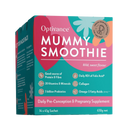
Optivance Prenatal Vitamin Shake is designed for mums who want pregnancy vitamins, minerals and nutrition support in a simple smoothie format. It includes key pregnancy nutrients such as folate, iodine, iron, vitamin D, calcium, DHA omega-3 and protein.
It should not replace a varied pregnancy diet or personalised medical advice, but it may help make a daily pregnancy nutrition routine feel easier when tablets, nausea or busy mornings get in the way.
What about choline?
Choline is another nutrient worth knowing about during pregnancy.
It supports normal cell function and is becoming more commonly discussed in pregnancy nutrition. Choline is found in foods such as eggs, meat, fish, dairy and some legumes.
It is not always included in standard prenatal supplements, so if you avoid eggs or animal foods, ask your GP, midwife or dietitian whether your diet is likely to provide enough.
Choline is not included in the main seven nutrients in this article because many Australian pregnancy guides focus more heavily on folate, iodine, iron, DHA, calcium, vitamin D and protein. But it is still useful to understand.
Food first, supplements where needed
The foundation of pregnancy nutrition is still a varied diet.
Across the week, aim to include:
-
vegetables and fruit
-
wholegrains
-
lean protein foods
-
dairy or calcium-fortified alternatives
-
legumes
-
nuts and seeds
-
safe fish choices
-
plenty of fluids
But pregnancy is real life.
Some days, you may feel nauseous. Some days, you may be exhausted. Some days, you may only manage toast, crackers, yoghurt or a smoothie.
That does not mean you are failing. It means your nutrition routine needs to be gentle, practical and repeatable.
A pregnancy supplement or prenatal smoothie should support your diet, not replace the foundations of balanced eating. Look for clear labels, meaningful nutrient amounts, pregnancy-appropriate ingredients and claims that feel calm, specific and trustworthy.
A simple pregnancy nutrient checklist

If you are already taking a prenatal tablet, do not double up with another full prenatal product unless your healthcare professional says it is appropriate. More is not always better when it comes to vitamins and minerals.
Final thoughts
The seven nutrients every pregnant mum should understand are folate, iodine, iron, DHA, calcium, vitamin D and protein.
Each one plays a different role, but the bigger goal is the same: supporting your pregnancy with more confidence and less confusion.
You do not need to build a perfect diet overnight. Start with the basics, ask for professional guidance where needed, and choose routines that feel doable.
Pregnancy nutrition should feel supportive, not stressful.
FAQs
What are the most important nutrients during pregnancy?
Some of the key nutrients to understand during pregnancy include folate, iodine, iron, DHA omega-3, calcium, vitamin D and protein. Your individual needs may vary depending on your diet, health status and pregnancy care advice.
What nutrients do I need in early pregnancy?
Folate is especially important before conception and during early pregnancy. Iodine, iron, vitamin D and other nutrients also matter, but your healthcare professional can help you understand what is most relevant for your individual needs.
Do pregnant women need iodine?
Iodine is important during pregnancy because it supports normal thyroid hormone production and your baby’s normal growth and development. Pregnant and breastfeeding women often have higher iodine needs.
Is DHA important during pregnancy?
DHA is an omega-3 fatty acid that contributes to normal brain and eye development. It can come from safe fish choices or algal DHA sources.
Do I need extra iron during pregnancy?
Iron needs increase during pregnancy, but not every woman needs the same amount from supplements. Your doctor or midwife may check your iron levels and recommend extra iron if needed.
Can I use a prenatal smoothie instead of pregnancy tablets?
Some mums prefer a prenatal smoothie because it feels easier than taking tablets. If the product is designed as a prenatal supplement, check the label carefully and avoid doubling up with another prenatal unless your healthcare professional advises it.
What if I cannot eat well because of nausea?
Many mums struggle with food during pregnancy. Focus on what you can manage, keep fluids up, and speak with your GP or midwife if nausea is affecting your intake, weight, hydration or daily life.
References
This article is intended as general nutrition information only and is not a substitute for medical advice. Always speak with your GP, midwife, pharmacist or accredited practising dietitian about your individual pregnancy nutrition needs.
Sources reviewed:
-
Food Standards Australia New Zealand: Pregnancy and healthy eating
-
Food Standards Australia New Zealand: Folic acid/folate and pregnancy
-
Food Standards Australia New Zealand: Iodine and pregnancy
-
NHMRC: Nutrient Reference Values for Australia and New Zealand
-
Eat for Health: Nutrient Reference Values
-
Optivance: Prenatal Vitamin Shake product information


