






Formulated Meal Replacement vs Protein Shake vs Diet Shake: What’s the Difference?
Formulated meal replacement vs protien shake vs diet shake: simple comparison
Not all shakes are designed to do the same job.
A protein shake is primarily designed to add protein to your diet. A Formulated Meal Replacement is designed to replace a meal and must meet specific nutritional requirements. “Diet shake” is a broader marketing term and does not, by itself, tell you whether a product is nutritionally suitable to replace a meal.
That is why the difference between a formulated meal replacement, a protein shake and a diet shake matters.
The simplest way to understand it is this:
A formulated meal replacement is a regulated food category designed to replace one or more meals and must meet specific nutrition and labelling requirements.
A protein shake is primarily designed to provide protein. It can be useful for increasing protein intake, but protein alone does not necessarily provide the broader nutrition expected from a meal.
A diet shake is usually a broad marketing term. It may be high in protein or low in calories, but it may not provide the same meal-like nutrition.
In other words, a formulated meal replacement is designed to replace a meal with broader nutrition. A protein shake is primarily designed to provide protein, while a diet shake is often associated with dieting, calorie control or weight management messaging.
And that difference matters because protein is important — but a meal is more than protein.

What is a formulated meal replacement?
A formulated meal replacement is a product specifically designed to replace one or more meals of the day and is not a total diet replacement.
It must also meet key compositional requirements per serving, including:
- at least 12 g protein
- at least 850 kJ energy
- 25% RDI of listed vitamins and minerals
- labelling that explains it must not be used as a total diet replacement
That is what separates a formulated meal replacement from a general protein powder or a shake that is simply marketed as a “diet” product.
What is a protein shake?
A protein shake is primarily designed to provide protein.
It is commonly used to help increase daily protein intake, particularly around training, between meals or when getting enough protein from food is difficult.
A protein shake may contain:
- whey, casein or plant-based protein
- added flavours or sweeteners
- small amounts of carbohydrate and fat
- additional ingredients depending on the product
Protein is an important macronutrient, but a protein shake is not automatically a meal replacement.
A product designed to replace a meal needs to provide more than protein alone. A formulated meal replacement is designed to provide a broader nutritional profile, including appropriate energy and specified nutrients, so it can be used in place of a meal.
So if you're comparing a protein shake with a meal replacement, the key question isn't simply “How much protein does it have?” It's “Was this product actually designed to replace a meal?”
What is a diet shake?
A diet shake is a much broader term.
It is often used to describe shakes promoted for dieting, calorie control or weight management. Some diet shakes may also be formulated meal replacements, but many are simply protein-focused or calorie-reduced shakes.
A diet shake may be:
- a low-calorie drink
- a protein shake
- a slimming-style shake
- a snack replacement
- a weight management product
- a general supplement powder
That does not automatically make it bad. It just means you need to check what it is actually designed to do.
If it is not clearly designed to replace a meal, it may not provide enough energy, vitamins, minerals, fibre or supporting nutrients to be used in place of breakfast, lunch or dinner.
It is also important not to confuse a general diet shake or Formulated Meal Replacement with a Very Low Energy Diet (VLED), sometimes referred to as a VLCD. VLED products are designed for a different purpose and may be used as a total diet replacement under appropriate professional supervision. By comparison, a Formulated Meal Replacement is designed to replace one or more meals and must not be used as a total diet replacement.
Why this matters for managing weight
Work, family, stress, hormones, ageing, training, caring responsibilities and inconsistent routines can all make regular meals harder to manage.
This is where the right shake can be useful.
But if a shake is replacing a meal, it should do more. If a shake is replacing a meal, look beyond calories alone and consider its protein, energy, fibre and broader nutrient profile.
For managing weight, the goal should not be to choose the lowest-calorie option possible. A better goal is consistency and choosing what works in real life.
That means choosing options that help you feel supported, nourished and able to stay on track with your routine.
Protein is important, but a balanced meal is more than just protein
Protein plays an important role in everyday nutrition.
It helps support muscle, contributes to fullness and can be especially useful for women managing weight, maintaining strength and supporting active lifestyles.
But protein alone does not make something a meal.
For example, a protein powder may provide a good amount of protein, but it may not provide meaningful vitamins, minerals, fibre, energy or supporting nutrients.
That is why it is important to look at the full formula.
If a shake is replacing a meal, ask:
- How much protein does it contain?
- How much sugar does it contain?
- Does it provide vitamins and minerals?
- Does it include fibre?
- Does it include useful supporting nutrients?
- Is the serving size realistic?
- Does the brand explain how to use it?
- Is it clearly designed to replace a meal?
What to check before choosing a meal replacement shake
When comparing products, look beyond the front-of-pack claims.
Here are the most useful questions to ask.
1. How much protein does it provide?
Protein is one of the first things people look for — and for good reason.
A meal replacement should provide a meaningful amount of protein per serve. This helps make the product more satisfying and more useful as a meal option.
But do not stop at protein. High protein is helpful, but it does not automatically mean the product is nutritionally complete.
2. How much sugar does it contain?
Sugar content can vary widely between shakes.
A product can look healthy but still contain more sugar than expected, especially if it is flavoured, sweetened or designed to taste like a dessert-style drink.
Look at the nutrition panel and compare sugar per serve, not just the claims on the front.
3. Does it include fibre?
Fibre is an important part of meal-quality nutrition.
It helps make a shake feel more filling and supports digestive wellbeing. If a product has protein but little or no fibre, it may feel less meal-like.
This is one reason a meal replacement should be assessed as a whole formula, not just a protein drink.
4. Does it provide vitamins and minerals?
If you are replacing a meal, the shake should contribute more than macronutrients.
Look for a broad range of vitamins and minerals. This helps support everyday nutrition, especially on busy days when meals may be less balanced.
5. Does it include useful fats or other nutrients?
Many people focus on protein and calories, but useful fats are also part of a balanced meal pattern.
Some meal replacement products may include ingredients such as MCTs, omega-3 DHA or other supporting nutrients. These can help make the formula more complete than a standard protein powder.
6. Is the ingredient list clear?
A trustworthy product should make it easy to understand what is inside.
Look for a clear ingredient list, a nutrition information panel and transparent usage directions. Avoid products that rely mainly on vague phrases, dramatic promises or unclear blends.
7. Does the brand explain how to use it?
A good meal replacement product should explain when and how it fits into your routine.
For example:
-
replace one meal when needed
-
mix with water, milk or your preferred milk alternative
-
use as part of a balanced diet
-
do not use as a total diet replacement
Clear instructions matter because they help people use the product safely and realistically.
8. Does it avoid exaggerated weight-loss claims?
Be cautious with products that promise fast, dramatic or effortless weight loss.
A responsible brand should focus on nutrition support, practical routines and realistic use — not pressure, guilt or unrealistic body claims.
For many women, the goal is not another restrictive diet. It is finding simple nutrition support that fits into real life.
Where Optivance NutraSupplement® fits

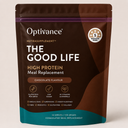
Optivance NutraSupplement® has been developed as a high-protein formulated meal replacement for adults who want a more complete option than a standard protein shake.
It is designed to help replace a missed, rushed or less nutritious meal with a convenient shake that includes protein, fibre, vitamins, minerals, probiotics, digestive enzymes, collagen, superfoods and direct algal DHA omega-3.
That makes it different from a basic protein powder or a traditional “diet shake” that only focuses on calories or protein.
A meal replacement is not intended to replace your whole diet. Instead, it is made to support everyday routines when life gets busy and you want something more nourishing than skipping a meal.
Final thoughts
If you are comparing shakes, do not just look for “high protein” or “low calorie” on the front of the pack.
Look at the full formula.
A formulated meal replacement should be designed to replace a meal, not simply act as a protein top-up. A diet shake may be useful in some situations, but the term is broad and can mean different things depending on the product.
For managing weight, the goal should not be restriction for the sake of restriction.
It should be practical nutrition that supports consistency, helps make busy days easier and gives your body more of what it needs.
Optivance NutraSupplement® was created for that reason: more complete than a protein shake, simpler than taking multiple supplements, and designed to support real-life nutrition in one easy shake.
FAQ
Is a formulated meal replacement the same as a diet shake?
Not always. A formulated meal replacement is designed to replace one or more meals and must meet specific requirements in Australia and New Zealand. A diet shake is a broader marketing term and may not always be designed to replace a meal.
Is a protein shake a meal replacement?
Not necessarily. A protein shake may provide protein, but it may not include enough energy, fibre, vitamins, minerals or other nutrients to replace a meal.
Is a Formulated Meal Replacement the same as a VLED or VLCD?
No. A Formulated Meal Replacement is designed to replace one or more meals but must not be used as a total diet replacement.
A Very Low Energy Diet (VLED), sometimes referred to as a VLCD (Very Low Calorie Diet), is designed for a different purpose and may be used as a total diet replacement under appropriate professional supervision.
Although the products can appear similar, they are designed for different uses and are regulated differently.
Can I use a meal replacement every day?
A formulated meal replacement may be used to replace one or more meals as directed, but it should not replace your total diet. Always follow the label directions and speak with a healthcare professional if you have specific health needs.
What should I look for in a meal replacement shake?
Look for protein, fibre, vitamins, minerals, low sugar, clear ingredients, clear usage directions and a responsible brand that avoids exaggerated weight-loss claims.
Why is Optivance NutraSupplement® different from a standard protein shake?
Optivance NutraSupplement® is designed as a formulated meal replacement, with protein, fibre, vitamins, minerals, probiotics, digestive enzymes, collagen, superfoods and direct algal DHA omega-3 in one shake.


