





Why High Protein Matters for Women Supporting Weight
Weight management is often made to sound harder, harsher and more complicated than it needs to be.
Many women have been told to “eat less,” cut out whole food groups, skip meals or rely on willpower. But for real life — busy mornings, workdays, family routines, training, ageing bodies and changing appetites — weight management usually needs something more practical.
It needs nourishment.
That is where protein matters.
Protein is not a magic weight-loss solution. It does not “melt fat,” cancel out the rest of your diet or replace the value of balanced meals. But it can play an important role in a realistic weight management routine because it helps make meals more satisfying, contributes to the maintenance of muscle mass and can improve the nutritional quality of a rushed or missed meal.
For women, especially those juggling busy days or noticing body composition changes with age, high-protein nutrition can be a helpful foundation.
Protein is not just for athletes
Protein is often associated with gym culture, bodybuilders or intense training plans, but it is not only for athletes.
Protein is one of the main macronutrients in the diet, alongside carbohydrate and fat. It is made from amino acids, which the body uses to build and repair tissues. Protein contributes to the growth and maintenance of muscle mass, but it is also part of everyday nutrition.
Women need protein for normal body function, not just exercise recovery.
You can find protein in foods such as:
-
eggs
-
Greek yoghurt
-
milk
-
chicken
-
lean meat
-
fish
-
tofu
-
tempeh
-
lentils
-
beans
-
chickpeas
-
nuts and seeds
-
protein-containing smoothies or meal replacements
The best approach is usually food first. But when meals are rushed, appetite is inconsistent or convenience foods keep taking over, a high-protein option can help bring more structure back into the day.
Why protein can help meals feel more satisfying
One of the biggest reasons protein matters for women managing weight is satisfaction.
A meal that is very low in protein may not feel as filling or sustaining. This is one reason some women find themselves eating a quick breakfast or snack, only to feel hungry again soon after.
Protein-rich meals can help create a stronger sense of fullness, especially when paired with fibre, balanced fats and slower-digesting carbohydrates.
For example, compare:
-
black coffee and toast
-
a sweet muffin on the run
-
a sugary snack bar
-
a very low-calorie shake with little protein
with:
-
Greek yoghurt with berries and seeds
-
eggs with wholegrain toast
-
chicken or tofu with salad and grains
-
a high-protein meal replacement with fibre and micronutrients
The second group is more likely to feel like a proper eating occasion.
That does not mean every meal needs to be huge or complicated. It means protein can help make meals feel more complete.
For busy women, this matters because hunger and low meal satisfaction can make it harder to stay consistent.
Protein and muscle maintenance during weight management
When people think about weight management, they often focus only on the number on the scale.
But body composition matters too.
When someone loses weight, the goal is usually to reduce body fat while supporting lean muscle. Muscle matters for strength, movement, posture and everyday function. It is also important as women move through their 40s, 50s and beyond.
Protein contributes to the maintenance of muscle mass. This is especially relevant when weight management includes changes to food intake, portion sizes or meal timing.
Protein works best alongside:
-
regular movement
-
resistance or strength-based activity
-
enough total energy
-
balanced meals
-
adequate sleep
-
consistency over time
It is not about eating protein alone. It is about building meals and routines that support the body.

High-protein foods for women including grilled chicken, eggs, Greek yogurt, salmon, lentils, cottage cheese, almonds, and edamame
Why protein becomes more important after 40
Many women begin paying more attention to protein in their 40s and 50s.
This is not because protein suddenly becomes a miracle nutrient. It is because maintaining strength, muscle and meal quality becomes increasingly important with age.
Women may also notice that old weight management strategies no longer feel as effective or sustainable. Skipping meals, relying on coffee, or eating very low-protein meals can leave the day feeling unbalanced.
A more supportive approach is to ask:
-
Am I getting protein at breakfast?
-
Is lunch actually sustaining me?
-
Am I relying on sweet snacks because meals are too light?
-
Am I including fibre and whole foods?
-
Am I doing some form of strength-supporting movement?
-
Am I choosing convenience options that still provide nutrition?
For women over 40, protein can be part of a broader healthy ageing and weight management routine — especially when it is paired with fibre, vitamins, minerals, movement and realistic habits.
How much protein do women need?
Protein needs vary.
They can depend on age, body size, activity level, pregnancy, breastfeeding, training, health status and personal goals.
In Australia and New Zealand, the general recommended dietary intake for adult women aged 19–70 is 46 g protein per day. For women over 70, the RDI is higher at 57 g per day.
These are general population reference values, not personalised targets for every woman.
Some women may need more than the general baseline, especially if they are very active, strength training, older, recovering from illness, breastfeeding or working with a dietitian on body composition goals.
If you have kidney disease, a medical condition, are pregnant or breastfeeding, have a history of disordered eating, or are unsure what is appropriate for you, it is best to speak with your GP or an accredited practising dietitian.
Spreading protein across the day can help
Many people eat most of their protein at dinner.
For example:
-
low-protein breakfast
-
light lunch
-
snack-based afternoon
-
large protein-heavy dinner
For some women, spreading protein more evenly across the day may help meals feel more balanced and satisfying.
That might look like:
-
Greek yoghurt, eggs or a smoothie at breakfast
-
chicken, tuna, tofu, legumes or cottage cheese at lunch
-
a high-protein meal replacement when lunch would otherwise be skipped
-
protein with dinner
-
a protein-rich snack if needed
This does not need to be perfect. It simply means thinking about protein as part of each eating occasion rather than leaving it until the end of the day.
Protein alone is not enough
This is where many “high-protein” products can be misleading.
A product can be high in protein but still not be a good meal replacement.
When choosing a shake, bar or convenience option, look beyond the protein number.
Ask:
-
How much sugar does it contain?
-
Does it include fibre?
-
Does it provide vitamins and minerals?
-
Is it designed to replace a meal or just add protein?
-
Does it include useful fats or other nutrients?
-
Is the ingredient list clear?
-
Does the brand explain how to use it?
-
Does it avoid exaggerated weight-loss claims?
Protein is important, but a meal is more than protein.
For weight management, a better option is often one that helps replace a missed, rushed or less nutritious meal with something more complete.

Meal replacement shake vs protein shake
A protein shake and a meal replacement shake are not the same thing.
A protein shake is usually designed to add protein to the diet. It may be useful after training or as a protein top-up, but it is not always designed to replace breakfast or lunch.
A formulated meal replacement is different. It is designed to replace a meal and should offer a broader nutrition profile.
That usually means looking for:
-
meaningful protein
-
fibre
-
controlled sugar
-
vitamins and minerals
-
clear serving instructions
-
appropriate energy per serve
-
transparency around allergens and ingredients
This difference matters because many women use shakes during busy parts of the day. If a shake is replacing a meal, it should do more than provide protein alone.
Where Optivance NutraSupplement fits
Optivance NutraSupplement is designed for adults who want more than a standard protein shake.
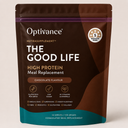
It is a high-protein, very low-sugar formulated meal replacement designed to help replace a missed, rushed or less nutritious meal. Each serve provides over 30 g of protein, less than 1 g sugar, fibre, vitamins and minerals, plus algal DHA omega-3, probiotics and digestive enzymes.
For women managing weight, the benefit is not about restriction or hype.
It is about having a practical option when the alternative might be skipping lunch, relying on coffee, grabbing a sweet snack or choosing something that does not keep you satisfied.
NutraSupplement can fit into a balanced day as:
-
a breakfast option on busy mornings
-
a lunch replacement when work is hectic
-
a simple option after training
-
a structured meal replacement when routine is difficult
-
a more complete alternative to a basic protein shake
It is not a total diet replacement, and it should sit alongside whole foods, balanced meals and healthy lifestyle habits.

Optivance NutraSupplement high-protein meal replacement shake for women
Practical ways to add more protein without overcomplicating your day
Adding more protein does not have to mean cooking separate meals or following a strict diet plan.
Here are simple ways to make protein easier:
Add protein to breakfast
Try eggs, Greek yoghurt, cottage cheese, high-protein milk, tofu scramble, or a smoothie with a protein source.
Build a more satisfying lunch
Add chicken, tuna, salmon, tofu, lentils, beans, eggs or cottage cheese to salads, wraps, bowls or leftovers.
Use legumes more often
Lentils, beans and chickpeas can add protein and fibre to soups, salads, curries and pasta sauces.
Keep easy protein options available
Having simple options at home or work can help when the day becomes busy.
Examples include:
-
yoghurt
-
boiled eggs
-
tuna
-
roasted chickpeas
-
cottage cheese
-
protein smoothies
-
meal replacement shakes
-
nuts and seeds
Pair protein with fibre
Protein and fibre together can make meals feel more complete.
Try:
-
Greek yoghurt with berries and chia seeds
-
eggs with wholegrain toast and avocado
-
lentils with vegetables
-
tofu with brown rice and greens
-
a high-protein meal replacement with added fibre
What to avoid in high-protein weight management products
Not every high-protein product is automatically a good choice.
Be cautious with products that:
-
make “fat-burning” promises
-
claim guaranteed weight loss
-
rely on very low calories without balanced nutrition
-
are high in sugar
-
contain little or no fibre
-
have vague ingredient lists
-
do not show a clear nutrition panel
-
are marketed as meal replacements but look more like snacks
-
use fear, guilt or body-shaming language
-
suggest replacing all meals without professional guidance
A good weight management product should feel clear, balanced and realistic.
It should help support your routine, not make you feel like you have failed.
The best option is not always the one with the loudest promise. It is the one that fits your life and supports better consistency.
Final thoughts
High protein matters for women managing weight because it can help meals feel more satisfying, contribute to the maintenance of muscle mass, and support a more structured daily routine.
But protein is not the whole plan.
The strongest approach is balanced: protein, fibre, low sugar, vitamins, minerals, movement, whole foods, sleep and realistic habits.
For women who want a simple option on busy days, Optivance NutraSupplement offers high-protein meal replacement nutrition that does more than protein alone.
It is not about dieting harder.
It is about making nourishment easier to repeat.
FAQs
Why is protein important for women managing weight?
Protein helps make meals more satisfying and contributes to the maintenance of muscle mass. It can be useful as part of a balanced weight management routine.
Does protein help women feel fuller?
Protein-rich meals can help some people feel more satisfied after eating, especially when paired with fibre and balanced nutrition.
Is a protein shake the same as a meal replacement?
No. A protein shake usually adds protein to the diet. A meal replacement is designed to replace a meal and should provide a broader nutrient profile.
How much protein should women eat each day?
Protein needs vary depending on age, body size, activity level and health status. Australian nutrient reference values list a general RDI of 46 g per day for adult women aged 19–70 and 57 g per day for women over 70, but individual needs may differ.
Is high protein enough for weight management?
No. Protein is helpful, but it works best alongside fibre, low sugar, whole foods, regular movement, sleep and an overall balanced diet.
Is NutraSupplement a protein shake or a meal replacement?
Optivance NutraSupplement is a formulated meal replacement. It provides high protein, very low sugar, fibre, vitamins, minerals and other supportive ingredients in one shake.
Can I use a high-protein meal replacement every day?
Some people use a meal replacement daily for convenience, but it should sit within a balanced eating pattern. It should not replace all meals unless you are doing so under professional guidance.
References
This article is general nutrition information only and is not a substitute for personalised medical or dietary advice. Speak with your GP, accredited practising dietitian or qualified healthcare professional if you have a medical condition, are pregnant or breastfeeding, take medication, have kidney disease, have a history of disordered eating, or need personalised weight management advice.
Sources reviewed:
-
Eat for Health: Nutrient Reference Values for Protein
-
Australian Bureau of Statistics: Waist Circumference and BMI, 2022
-
Food Standards Australia New Zealand: Nutrition content claims and health claims
-
Peer-reviewed systematic review on higher-protein diets and weight management
-
Optivance NutraSupplement product information


