





The better question is not “Which shake has the fewest calories?” It is “Which shake gives me meaningful nutrition when I would otherwise miss a meal or choose something less nourishing?”
This guide walks through what to look for beyond calories, with practical label checks and cautious nutrition language that keeps the focus on real life.
Start With The Job You Need The Shake To Do
Before comparing products, get clear on when you would actually use one.
Some women want a breakfast option for busy workdays. Some need a backup meal after training, during travel or between meetings. Others want something easy to keep at home for days when cooking is not going to happen.
That matters because a meal replacement shake should be assessed as a meal substitute, not just a protein top-up. If you are using it instead of breakfast or lunch, it should offer a broader nutrient profile than a basic protein powder.
Look for:
-
enough protein to contribute meaningfully to the meal
-
fibre or other ingredients that help make it more rounded
-
vitamins and minerals in useful amounts
-
a sugar level that suits your preferences and health goals
-
clear serving instructions
-
allergens and ingredients you can tolerate
The Australian Dietary Guidelines still place everyday eating around a variety of foods from the core food groups. A shake does not replace the value of vegetables, fruit, wholegrains, legumes, dairy or alternatives, lean proteins, nuts and seeds across the day. It can, however, be a practical option when the realistic alternative is skipping a meal or grabbing something much less balanced.
Look Beyond Calories To Meal Quality

Calories matter, but they do not tell you whether a shake is nutritionally useful.
Two products may have similar energy per serve, but one may provide more protein, fibre, vitamins and minerals, while the other may be closer to a sweet drink with added protein. For women comparing meal replacement shakes, the nutrition panel is more useful than the front-of-pack promise.
Ask:
-
How much protein is there per serve?
-
How much sugar is there per serve and per 100 g?
-
Is there fibre?
-
Are vitamins and minerals included?
-
Are fats included, and what type?
-
Is it designed as a formulated meal replacement or simply a protein shake?
-
Does the ingredient list make sense for your needs?
The best choice is usually the one that fits your life consistently and helps you replace a missed, rushed or less nutritious meal with something more considered.
Check The Protein Amount And Source
Protein is one of the first things to check because it is a core part of a balanced meal. In Australia and New Zealand, protein requirements vary by age, body size, pregnancy, breastfeeding, activity and health status, so individual needs are not identical.
For label reading, look at the grams of protein per serve, not just marketing words. Under FSANZ nutrition claim conditions, a food needs at least 5 g of protein per serving to make a protein content claim, and at least 10 g per serving to be called a good source of protein.
Protein source also matters for preference and tolerance. Some shakes use dairy protein such as whey. Others use plant proteins such as pea protein. Some use blends. A blended approach may help with texture, amino acid profile and taste, but the right choice depends on dietary needs, allergies and personal preference.
What not to assume: a high-protein shake will automatically cause weight loss, stop hunger, build muscle or suit every woman. Those outcomes depend on the whole diet, activity, health status and how the product is used.
Choose Low Sugar Without Losing Sight Of The Whole Label
Many women look for a low sugar meal replacement shake because they do not want a product that tastes like dessert or adds unnecessary sugar to the day.
That is reasonable, but “low sugar” should still be checked against the nutrition panel. Under FSANZ Schedule 4, a low sugar claim generally requires no more than 5 g sugars per 100 g for solid food or 2.5 g per 100 mL for liquid food. For powdered shakes, the claim should be reviewed in the context of how the food is sold and prepared.
Also check whether the product uses sweeteners. Sweeteners such as stevia or thaumatin may be used to provide sweetness with less sugar, but taste and tolerance are personal. Some people prefer a less sweet flavour; others find sweeteners helpful when moving away from higher-sugar options.
Fibre, Fats And Carbohydrates Help Make It More Meal-Like

A meal is more than protein. Fibre, fats and carbohydrates all help shape the nutritional quality of a shake.
For adult women, the Australian Nutrient Reference Values list an adequate intake for dietary fibre of 25 g per day. A shake does not need to provide all of that, but fibre can help a meal replacement feel more complete and contribute to daily intake.
Under FSANZ claim conditions, a dietary fibre content claim generally requires at least 2 g dietary fibre per serving, a good source claim requires at least 4 g per serving, and an excellent source claim requires at least 7 g per serving.
Fats and carbohydrates should also be viewed practically. Very low energy products may not feel meal-like for some people. Products with added fats, such as medium-chain triglycerides, or carbohydrate-containing ingredients may help provide energy and texture, but they should be considered as part of the whole nutrition panel.
Vitamins, Minerals And Omega-3s: Useful, But Not Magic
Vitamins and minerals can make a meal replacement shake more useful than a simple protein drink, especially if it is replacing a meal that would normally provide a mix of nutrients.
For women, nutrients commonly considered in everyday nutrition include calcium, iron, iodine, vitamin D, folate, B vitamins and magnesium. Needs vary across life stages, especially during pregnancy, breastfeeding, perimenopause, older age, heavy training or restricted eating patterns.
Some meal replacements also include omega-3 ingredients such as algal DHA. Algal DHA can be appealing for people who prefer a non-fish source of DHA or want to avoid a fishy taste.
Digestive Comfort Is Personal
Digestive comfort is one of the most personal parts of choosing a shake.
Check for:
-
milk or whey if you avoid dairy
-
lactose if you are sensitive to it
-
fibre sources that may or may not suit you
-
sweeteners you know you tolerate
-
probiotics and digestive enzymes
-
gluten or gluten-free claims
Some products include probiotics or digestive enzymes as part of the formula.
If you have ongoing digestive symptoms, are pregnant or breastfeeding, have a diagnosed medical condition, take medication, or have a history of disordered eating, it is worth speaking with a GP or accredited practising dietitian before relying on meal replacements.
Compare Transparency, Taste And Real-Life Use
The best meal replacement shake for women is one you can understand, tolerate and actually use when life is busy.
Before buying, compare:
-
the full nutrition information panel
-
serve size and preparation instructions
-
protein grams per serve
-
sugars per serve and per 100 g
-
fibre per serve
-
vitamin and mineral levels
-
allergens
-
sweeteners
-
whether it is a formulated meal replacement
-
price per serve
-
flavour options
-
whether the brand explains its formulation choices clearly
Taste matters too. A product can look excellent on paper and still be wrong for you if it is too sweet, too thick, too thin or difficult to prepare. Practical nutrition is the nutrition you can repeat.
Where Optivance NutraSupplement Fits

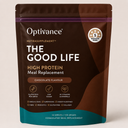
Optivance NutraSupplement is designed as a formulated meal replacement shake for adults. The 2026 product data sheets for the chocolate and vanilla flavours state that each 52 g serve is prepared with 250 mL cold water.
The ingredient lists include a protein blend of pea protein, hydrolysed collagen peptides and whey protein concentrate, along with coconut MCT powder, acacia gum, vitamins, minerals, algal DHA powder, Bacillus coagulans, digestive enzymes and added ingredients such as acai berry powder, acerola cherry juice powder, green tea extract and kelp powder. The chocolate flavour also lists cocoa powder and organic spirulina powder; the vanilla flavour lists soluble maize fibre. Both flavours contain milk.
That makes it a relevant example for women who want something more complete than a basic protein shake when they miss breakfast, rush lunch or need a convenient option. It should still be used as part of an overall balanced eating pattern, with whole foods across the day, and not as a total diet replacement.
A Simple Checklist Before You Buy
Use this quick checklist when comparing meal replacement shakes:
-
Is it designed to replace a meal, or is it only a protein supplement?
-
Does it provide a meaningful amount of protein per serve?
-
Is the sugar level clearly stated and suitable for your preferences?
-
Does it include fibre?
-
Does it include vitamins and minerals?
-
Are the ingredients and allergens clear?
-
Does the brand avoid exaggerated health claims?
-
Does the serving fit your routine, taste and budget?
-
Can you pair it with whole foods when needed, such as fruit, nuts or yoghurt?
-
Would you feel comfortable using it as a backup, not as your only nutrition strategy?
If you are looking for a practical meal replacement for busy days, Optivance NutraSupplement may be worth considering as an option designed to replace a missed, rushed or less nutritious meal. Read the nutrition panel, check the ingredients and allergens against your needs, and use it in a way that supports the rest of your day rather than replacing the foundations of balanced eating.
Conclusion
The best meal replacement shake for women is not the one with the loudest promise or the lowest calorie count. It is the one that offers useful nutrition, clear labelling and a realistic fit for your life.
Look for protein, fibre, low sugar, vitamins, minerals, ingredient transparency and personal tolerance. Be cautious with claims that sound too certain, especially around weight loss, appetite, digestion, blood sugar, hormones or disease prevention.
A meal replacement shake can be a supportive tool when life gets full. It does not need to be perfect, dramatic or restrictive. It just needs to help you make a more nourishing choice when a proper meal is not within reach.
FAQs
Are meal replacement shakes healthy for women?
They can be useful when chosen carefully and used to replace a missed or less nutritious meal. Look for protein, fibre, vitamins, minerals, clear ingredients and a sugar level that suits your needs. They should not replace a varied diet long term unless supervised by a health professional.
Is a high-protein meal replacement better than a low-calorie shake?
Not always, but protein is an important label check. A very low-calorie shake may not feel meal-like or provide broad nutrition. Compare the whole panel rather than choosing on calories alone.
Can I use a meal replacement shake for breakfast?
Yes, a formulated meal replaceme
nt can be used as a convenient breakfast option when you would otherwise skip breakfast or choose something less nourishing. You can also pair it with fruit or other whole foods if that suits your appetite and routine.
Should women choose low sugar meal replacement shakes?
A lower-sugar option may be useful if you are trying to reduce unnecessary added sugar. Still check the full label, including protein, fibre, vitamins, minerals and sweeteners.
Can meal replacement shakes help with weight management?
They can be part of a structured eating plan for some people, but no shake guarantees weight loss. Weight management claims should be reviewed carefully and framed in the context of overall diet, activity, health status and professional advice where needed.
Are probiotics and digestive enzymes important in a meal replacement shake?
They may be included as part of a broader formula, but they should not be treated as essential for everyone or described as treating digestive symptoms. Personal tolerance matters.
Who should get advice before using meal replacements?
Speak with a GP or accredited practising dietitian if you are pregnant or breastfeeding, managing a medical condition, taking medication, recovering from illness, under 18, older with unintentional weight loss, or have a history of disordered eating.


